From the operations desk
One invoice number, a total that moved
Wednesday ran on new-prospect quoting, but its densest seam sat on money already owed: in four of the day's billing threads what was unclear was which document, figure or line a payment belonged to. In one repeat-fulfilment thread a numbered invoice went out in the morning with a payable total and a request to transfer that exact figure; the same invoice number came back later the same day with a materially higher total, the morning's request quoted directly above the new one, and a fresh document of the same name attached. Nothing in either message said which version was live. A seller reading that pair cannot pay without guessing, and a right guess still leaves a paid reference that no longer identifies what it paid for.
One document, one total, one figure in the transfer line
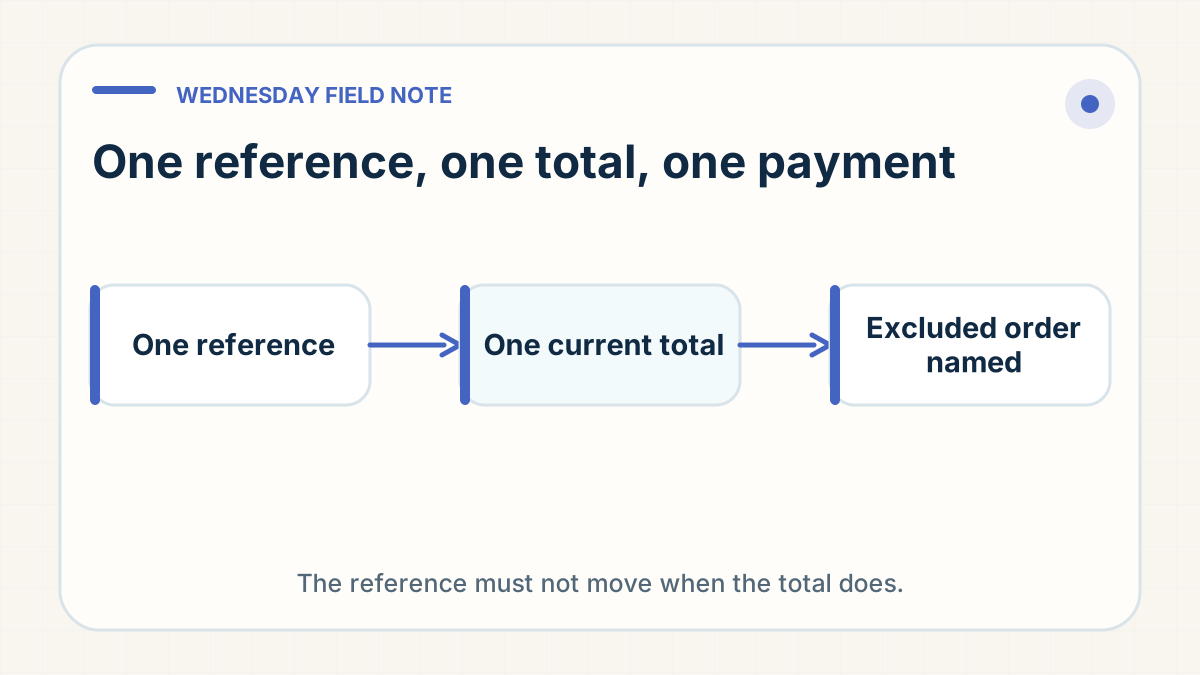
The same day carried the working version. A seller moving home and lifestyle goods into several European and North American markets asked overnight for another order to be added. The update came back as one numbered document, one payable total, and that figure written again into the transfer instruction, so the amount could be checked without opening the attachment. He paid that afternoon and typed the amount back into the thread. Read the next request you get the same way: check that the reference, the current total and the figure in the transfer line agree before you move anything.
A total that drags a previous period has to say so
Another thread showed what happens when it does not. A demand for a large balance and a carry-over from the previous month were both live in one conversation, and the seller asked again inside the same minute — pointing at a figure in an image and at an older message — which of them he owed. The desk answered it: one outstanding figure, restated in full, against a breakdown that had gone out with the morning demand. Hours later an older payment plan was pasted back into the same thread with its own totals and an expired instalment date, so a superseded figure was live alongside the current one again.
A total that carries a closed period inside it has to show that period separately before anyone can agree it. How fulfilment billing and prepaid balances work sets out the reconciliation a rolling account should show you. Ask for the older balance as its own line, and for the superseded plan to be withdrawn in writing once a new figure is issued.
Name what you took off the invoice
One more thread shows how close a good answer can come. A seller who had queried an invoice the night before got his answer on Wednesday: orders he recognised were absent from it. The reply named a reason rather than offering a reassurance: that neither order was due to ship. What it did not say is that he had asked for them to be held himself, days earlier, in a list of his own — the sentence that would have closed the question outright.
Where a line you cannot recognise sits on a quote rather than an invoice, the audit is already written up: audit the breakdown before you approve it. On an invoice, ask for the order reference against every line before you pay it, not after.
A record you cannot retrieve is not a record
The day's after-sales seam showed the cost of leaving that until later. One seller asked for his purchase history in one file and was told the older material had to be located; he chased it the next day, the file went out to him that afternoon, and he came back for individual document references minutes apart, to be told that everything held had already been sent. Neither side could point at an index of what had been supplied, so the disagreement was about what the set contained, not about any one document. The records a handover needs are already listed in what you would have to be able to move, including an export another operator could read without the chat thread behind it; ask for that file while the orders are current.
The question to ask before your next transfer
One question settles most of this, and it is worth putting into the thread the moment a second figure appears: when a total moves under a reference you already hold, is the new figure a correction of the first request or a second request — and which period does that total close? The answer tells you what your payment reference will identify afterwards, what happens to an amount that lands after the current invoice has been cut, and who in the thread you go back to when two figures disagree. Ask for the cut day in the same breath, and keep the reply where your own records are rather than only in the chat.