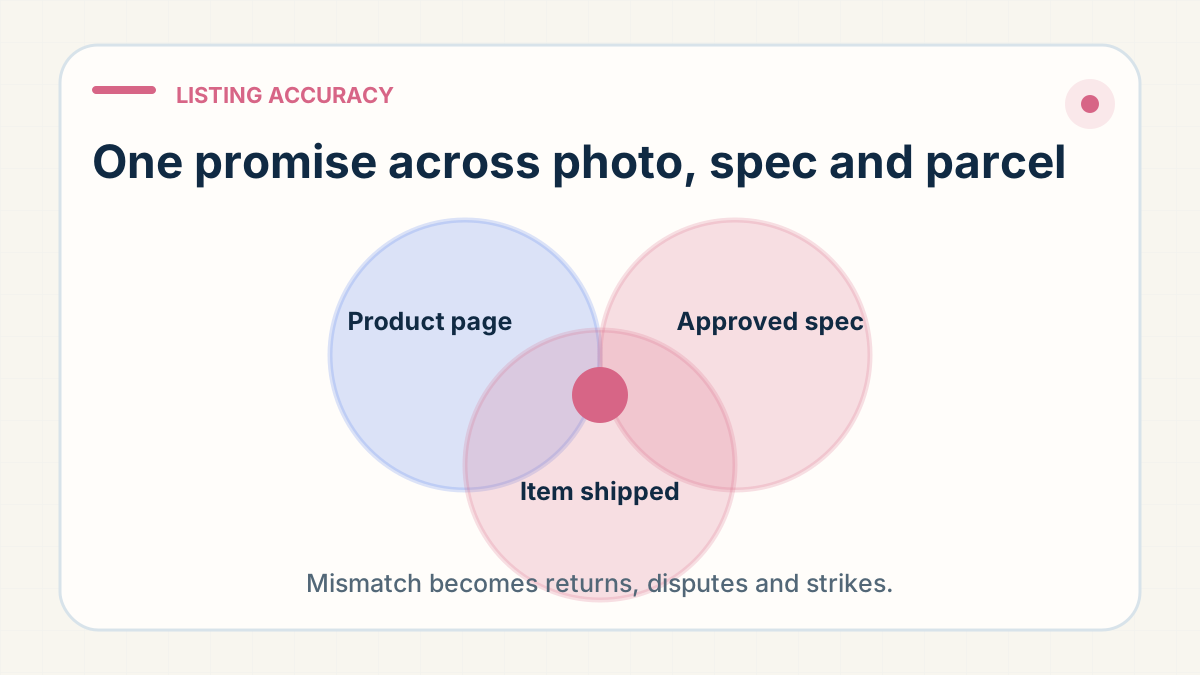
Here's a pattern we see constantly. A store is doing fine. Good ad creative, decent conversion rate, then returns start creeping up and nobody can figure out why. Nine times out of ten, when we dig into it, the product that's shipping isn't quite the product in the listing anymore.
Not a scam. Not intentional. The supplier swapped a material, changed a color name, or updated a component, and nobody updated the listing. Small drift, but it adds up fast.
The real cost of a mismatch
It's easy to think of this as a minor issue. It's not. Here's what actually happens when photos or specs don't match what ships:
Returns go up. Customer expected matte black, got glossy black. Expected cotton blend, got polyester. They didn't get what they saw, so they send it back. Every return costs you the product, the reverse logistics, and usually the ad spend that acquired the customer in the first place.
Disputes and chargebacks follow. A customer who feels misled doesn't always ask for a return first. Increasingly they go straight to their card issuer or PayPal and file "item not as described." Those disputes are harder to win, they cost you fees on top of the refund, and too many of them start affecting your processor standing.
Platform strikes stack up. Shopify, Etsy, and TikTok Shop all track "item not as described" complaints and negative reviews mentioning inaccurate listings. Etsy in particular is unforgiving here, since their whole trust model is built on listings being accurate. TikTok Shop will throttle or suspend a listing's reach if enough buyers flag it. This isn't a one-off refund cost anymore, it's a hit to your account health that affects every other product you sell.
Reviews turn on you publicly. A one-star review that says "not as pictured" does more damage than the return itself. It sits on your listing and talks every future customer out of buying.
Why the drift happens in the first place
Suppliers change things without telling you, and honestly, without always knowing they need to. A factory runs out of a specific fabric roll and substitutes something close enough by their standard. A color name gets translated loosely, "sky blue" becomes something closer to teal depending on which factory floor packed it. A component gets upgraded or downgraded based on cost that quarter. None of this is communicated up the chain unless someone is specifically watching for it.
If you're sourcing straight from a marketplace listing and never touch the physical product, you have no way of catching this. You're trusting that what was true when you built the listing six months ago is still true today. It usually isn't.
A practical process for keeping listings accurate
This doesn't need to be complicated, but it does need to be a habit, not a one-time setup.
Re-verify specs on a schedule, not just at launch. For any product doing meaningful volume, check the actual spec sheet and photos against a live sample at least quarterly. Slower movers, check every six months. Don't wait for a complaint to trigger a review.
Request fresh product photos when you place a new PO. Don't reuse the same listing photos indefinitely. Ask your supplier or fulfilment partner for current photos with each restock, especially for anything with color, material, or size variants.
Track the words you're using loosely. "Premium," "genuine leather," "waterproof" are words that get you flagged fast if they're not literally true. If your supplier calls something "leather" and it's actually PU, that's now your problem, not theirs, because you're the one who published the listing.
Build a mismatch log. Every time a return comes back tagged "not as described," write down what specifically didn't match. Patterns show up fast. If three returns in a month all mention the same product running a different color than pictured, that's not customer error, that's a listing that needs fixing today.
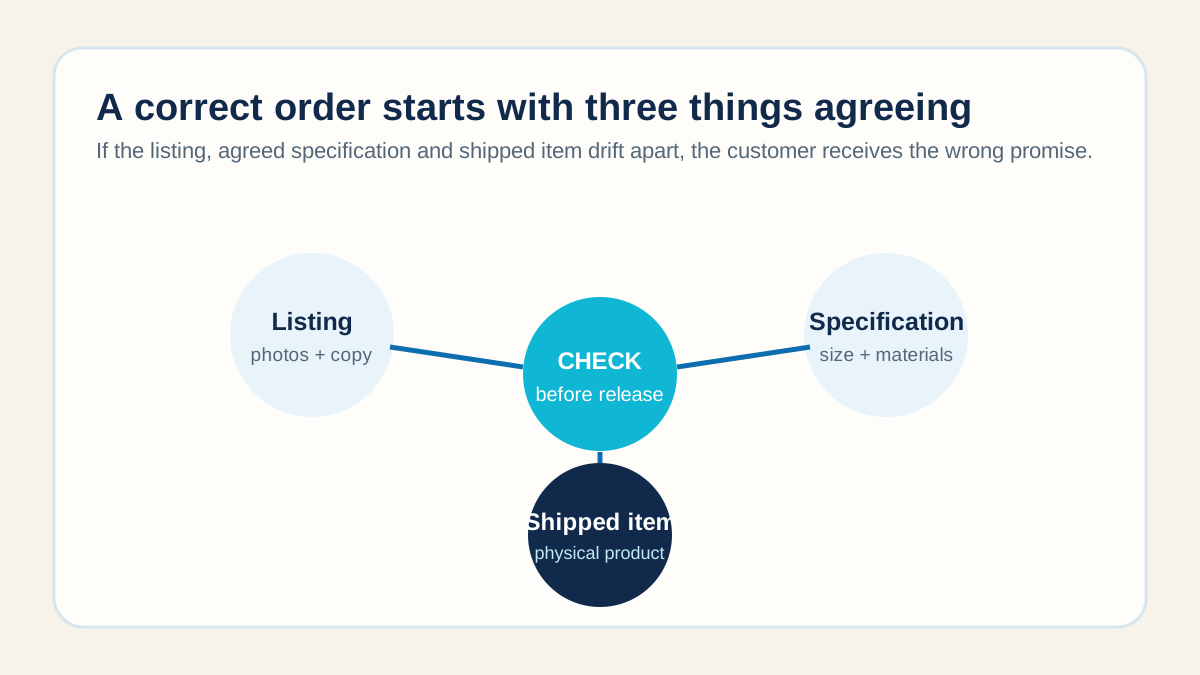
Have someone physically check incoming stock against the listing. This is the part most solo dropshippers skip because they don't hold inventory and never see the product. It's also the single highest-leverage step. Someone needs eyes on the actual item before it ships to a customer, not just on the supplier's marketing photos.
How we handle this at Ryanfulfil
Because we're the ones physically receiving, storing, and packing product for our clients, we're in a position most dropshippers aren't: we actually see what ships. Part of our QC process is flagging when what arrives from a supplier doesn't match the listing photos or spec sheet a client has published, before it goes out the door to a customer. Wrong color, wrong material tag, missing accessory, we catch it at intake and tell the client before it becomes a return, a dispute, or a review.
That single check point, someone with eyes on the physical product comparing it against the live listing, is the difference between catching a supplier's quiet substitution and finding out about it from an angry customer three weeks later.
If you're dropshipping and never touch your own inventory, that gap is worth thinking hard about. Either build a process to catch it yourself, or work with a fulfilment partner who already has one.
The rule: Use one versioned reference for the listing, purchase, quality check and warehouse release. If the photo, specification or physical item differs, stop and approve the change explicitly; otherwise the operation can dispatch the wrong product exactly as instructed.
Want a product checked before it ships?
Tell us what to check on WhatsApp (+86 178 4666 9989), and we can build those product, packaging and quantity checks into the fulfilment process.
Request Quality Check on WhatsApp →