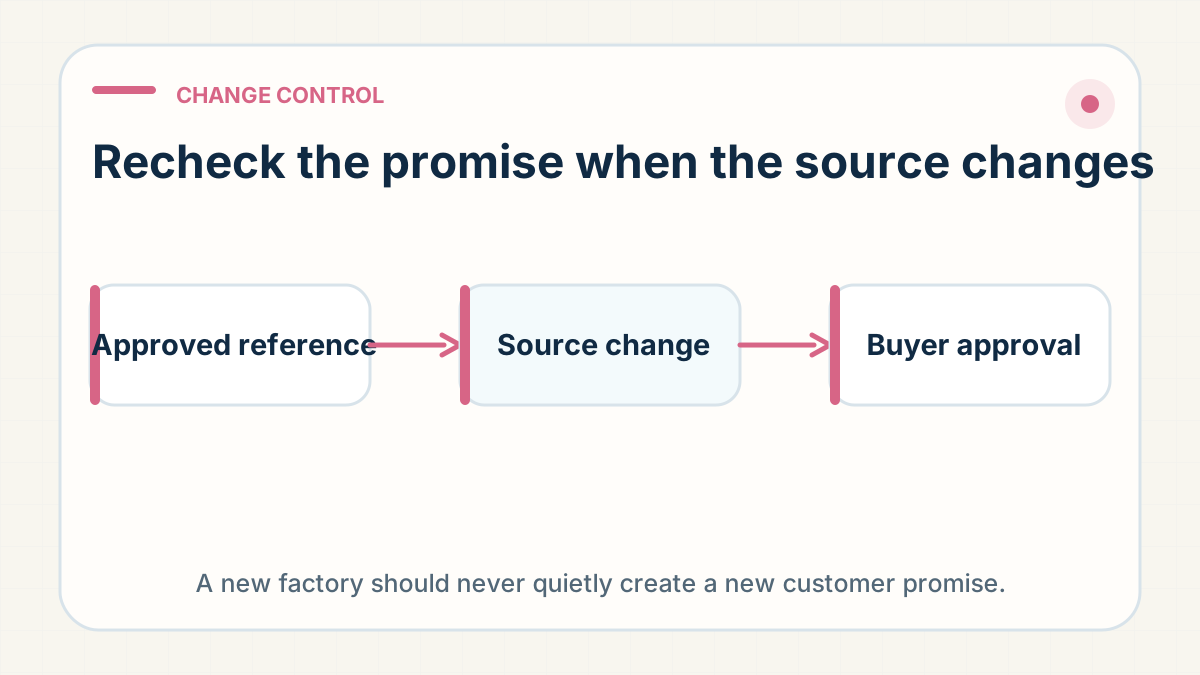
A supplier change is also a product change risk
A second factory may use the same listing photo and still supply a different material, construction, colour, accessory set or package. Even a change described as an upgrade can affect customer expectations, compliance evidence, branding and support instructions. The safe question is not whether the substitute is better in general. It is whether it still matches the version the seller approved and advertised.
Across the reviewed operations chats, the same pattern appeared in many categories. An accessories supplier changed the available version; an apparel material was described inconsistently; a beauty item lost an approved brand detail after a factory change; a home-goods colour was discontinued; and an electronics SKU changed while live orders were waiting. The items were different, but the control failure was the same: a commercial substitution reached the workflow before the full specification had been re-approved.
Define the approved reference before volume
Keep one short reference that identifies the approved version. It should combine observable facts with the evidence used to approve them. Listing titles and chat descriptions alone are too easy to reinterpret later.
- Supplier and factory reference, product SKU and version date.
- Materials, dimensions, colour, construction and included components that must not change.
- Customer-facing packaging, logo placement, inserts, labels and barcode rules.
- Approved sample photos, measurements, functional checks and destination-specific documents.
- The person who can approve a substitute and the orders to which that approval applies.
Trigger a change review automatically
Do not rely on someone noticing that a quote, carton or SKU looks different. A supplier switch, factory switch, discontinued variant, changed bill of materials, unavailable packaging service or revised compliance document should automatically place the affected item on hold for review. In Dianxiaomi or another internal order-management workflow, the product reference can help the team locate the affected orders, but the tool does not replace the commercial approval or physical check.
Show the difference, not only the alternative
A useful change request states what changed, why, which orders are affected, and the effect on price, lead time, quality, packaging and documentation. It should include comparable evidence and a clear decision: accept for these orders, wait for the original, test a sample, or cancel. Silence is not approval.
Two supplier names can still be one failure point
A backup is not independent merely because it arrived through a different marketplace account or trading company. Two sellers may buy from the same producing factory, use the same mould, rely on the same component maker or draw from the same finished-goods stock. If that shared point fails, both "options" can disappear or change together.
Map what can actually be verified without demanding information the counterparty has not agreed to disclose: producing-factory reference where available, manufacturing region, distinctive tooling or mould ownership, critical component source, normal lead time, sample markings and the evidence that the second option has made the approved version before. Record unknowns as unknowns. The purpose is to understand whether the fallback removes a dependency, not to turn incomplete supplier disclosures into certainty.
If independence matters, prove it with a small transfer drill. Give the alternative the approved reference, have it produce or source a sample, compare the customer-ready unit, recheck documents and packed-route conditions, and record how long the handover actually took. Stop calling it a ready backup until that path works; a saved contact and a similar photograph are only leads.
One anonymised accessories case illustrates the point. A replacement factory could supply the broad category but not the previously approved logo treatment. Units moved forward without a fresh approval and the seller discovered the difference later. The monetary impact was limited; the trust impact was not. The durable fix is to make every factory switch reopen the packaging checklist before release.
A second case involved a supplier offering a newer electronics version while older stock still existed. Mixing versions would have made product pages, instructions and after-sales evidence ambiguous. Separating the SKUs and asking which version each order should receive protected both the seller and the warehouse.
Verify the first changed batch
Approval in chat is not the final control. Compare the first units from the changed source against the revised reference. Check the product, included parts, branding, labels, package and any function most likely to vary. If the change affects a regulated claim, match the evidence to the exact new model and destination before treating it as cleared.
Treat every product change as a new approval
Supplier flexibility is valuable when stock disappears or volume grows. It becomes dangerous only when a similar option enters production as though nothing changed. A visible reference, automatic hold, explicit approval and first-batch verification let the operation change suppliers without quietly changing the customer promise.
Operating rule: Treat a supplier or factory change as a new approval event, even when the listing name stays the same. Reconfirm the customer-ready version, sample evidence, packing, lead time and route conditions, then keep old and new stock distinguishable until the transition is verified.
Want a product checked before it ships?
Tell us what must be verified on WhatsApp (+86 178 4666 9989). We can build the product, packaging and quantity checks into the fulfilment process.
Request Quality Check on WhatsApp →