Read Samsonite’s BÉIS deal as a bet on a customer, not a suitcase
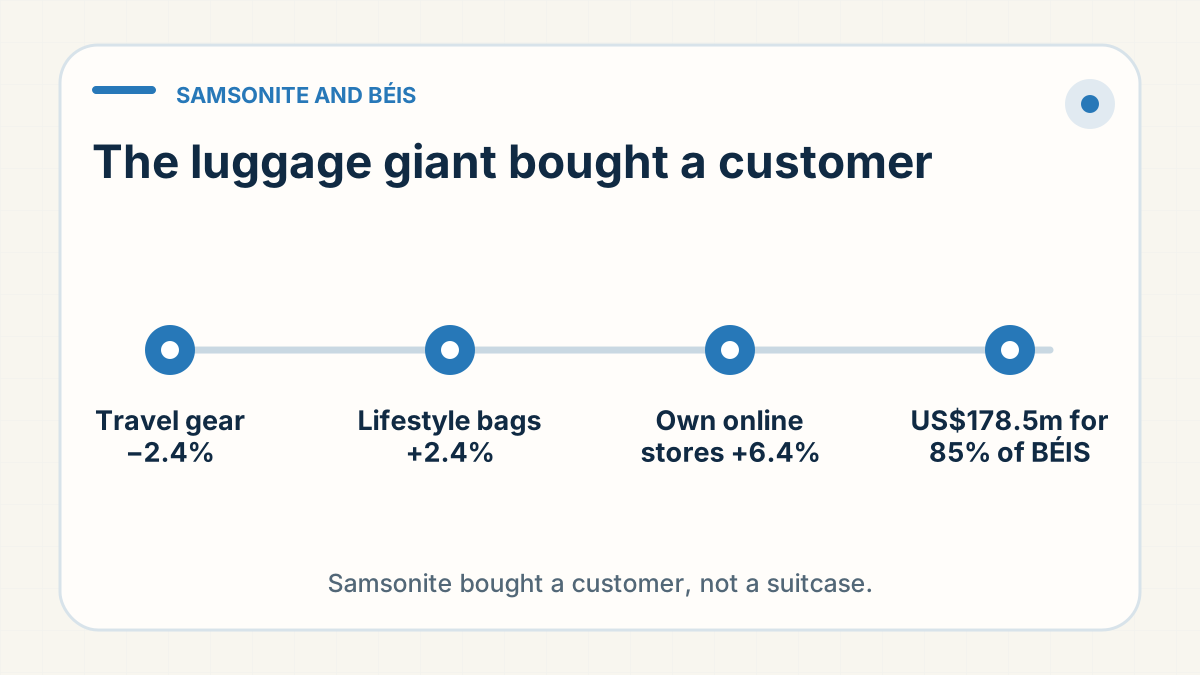
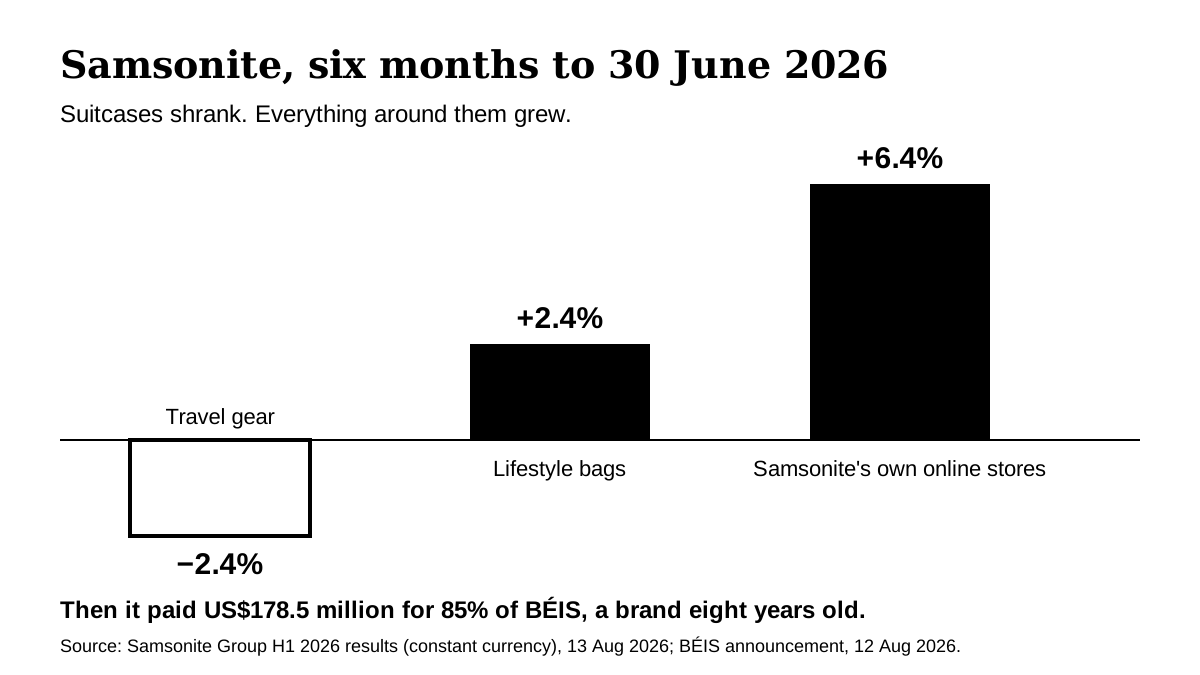
Samsonite, the world's largest luggage company, sold 2.4% less travel gear in the first half of 2026. Its answer came the same week. Samsonite agreed to pay US$178.5 million for 85% of BÉIS, a travel brand that is eight years old. The deal values BÉIS at about US$210 million. BÉIS sold about US$210 million of product in 2025. So the biggest name in suitcases paid about one year of sales for a brand that did not exist nine years ago.
You will never write that cheque. But the reasons Samsonite gave are about your shelf, not its balance sheet. And four brands' packing cubes tell the same story from the other side.
What did Samsonite say it was buying?
Not suitcases. Samsonite chief executive Kyle Gendreau said BÉIS "expands our reach among younger, predominantly female consumers, increases our exposure to faster-growing lifestyle bag categories, and strengthens our digital capabilities." That is a customer, a category and a channel. None of the three is a product. All three are things you can build at your size.
Samsonite's own numbers point the same way. Samsonite's travel category fell 2.4% in the six months to 30 June 2026. Samsonite's lifestyle bags rose 2.4% and reached 37.4% of its sales. Samsonite's own online stores grew 6.4%, the fastest of any channel it has. In North America, Samsonite's sales fell 3.9%, which it put down to "softer travel demand and weaker consumer confidence".
What had BÉIS built in eight years?
BÉIS chief executive Adeela Hussain Johnson called it "a profitable brand with a loyal community, built on thoughtfully designed products that make travel and everyday life easier." Founder Shay Mitchell keeps 15%.
Look at how BÉIS sells a packing cube. The BÉIS six-piece compression set holds two extra-large cubes and four small ones. Its product page pairs the set with BÉIS's own 26-inch and 29-inch rollers. The cube is sold as part of a bag the customer already owns.
Our reading: that is what "loyal community" means in practice. The second sale is designed before the first one ships. If you are weighing a bundle against a single first product, BÉIS is that choice made at scale.
What are the other cube makers all fixing?
The same moment: day three of a trip, when worn clothes have to go somewhere. Peak Design's Packing Cube has an internal divider for clean and dirty clothes. Thule's Clean/Dirty Packing Cube uses a floating divider and a wipeable layer. Eagle Creek's Pack-It Isolate Clean/Dirty cube has a divider, an angled opening and washable fabric. Three rival brands landed on one fix.
That cuts two ways. Three brands shipping the same answer means the problem is real, and travellers pay to solve it. It also means you would be the fourth. A sourcing brief that says "packing cubes with a divider" describes a product that already exists three times.
One more thing the big brands can promise and you may not: arrival before the trip. A cube that lands after departure has lost its job, which makes delivery timing part of the product.
So is a crowded product a proven one?
That is the argument worth having. Samsonite looked at a shrinking travel line and decided a customer was worth more than another product. It paid about one year of BÉIS's sales to get one. The cube makers looked at the same traveller and all built the same divider.
If you sell travel gear, which are you doing? Adding the fourth divider, or finding the traveller nobody has designed for yet? Samsonite's answer cost US$178.5 million. What would yours cost?
If you already know the traveller and need the product, the sourcing brief above shows what a factory needs before it can quote, and you can ask us to check the China side.
Need a product checked before you spend on ads?
Send us the product link and destination on WhatsApp (+86 178 4666 9989). We'll check sourcing, packing and shipping with you before you commit.
Get Sourcing Quote on WhatsApp →