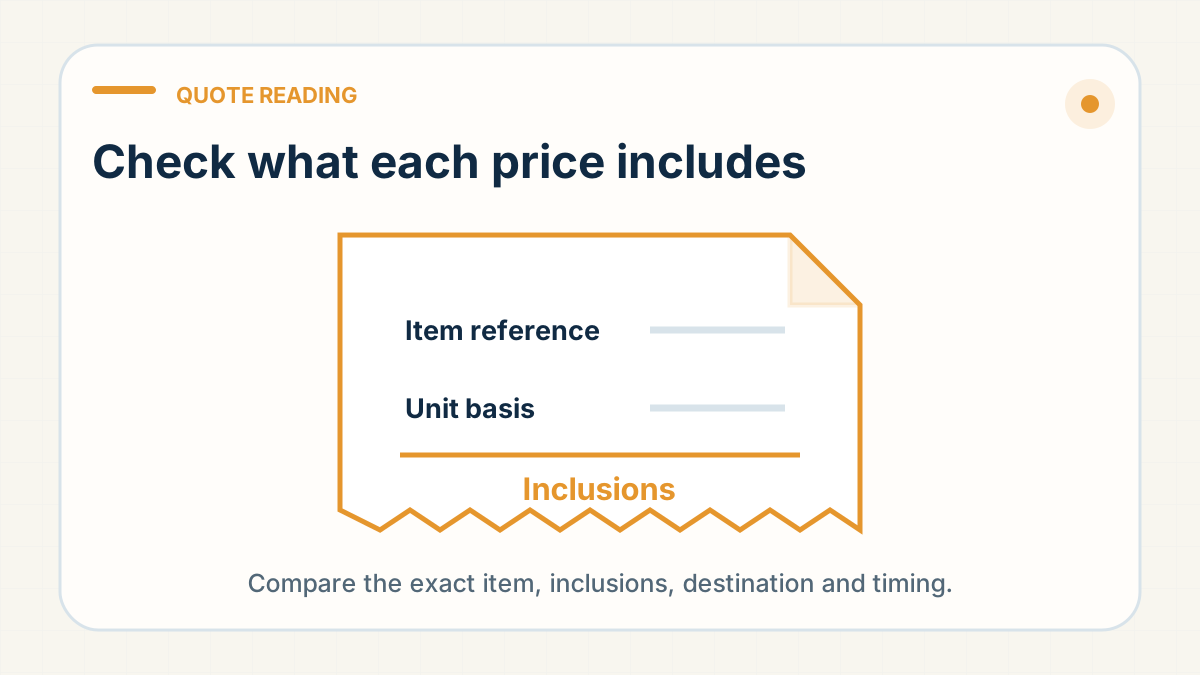
Compare the complete order cost
A marketplace listing and a fulfilment quote may include different work. Before comparing the totals, check the product, quantity, packing, shipping destination, delivery service and taxes included in each. A lower product price alone does not tell you which order costs less to deliver.
Use the same requirements with each supplier or fulfilment provider. Separate a confirmed quote from an estimate that still depends on packed measurements, supplier availability or route checks.
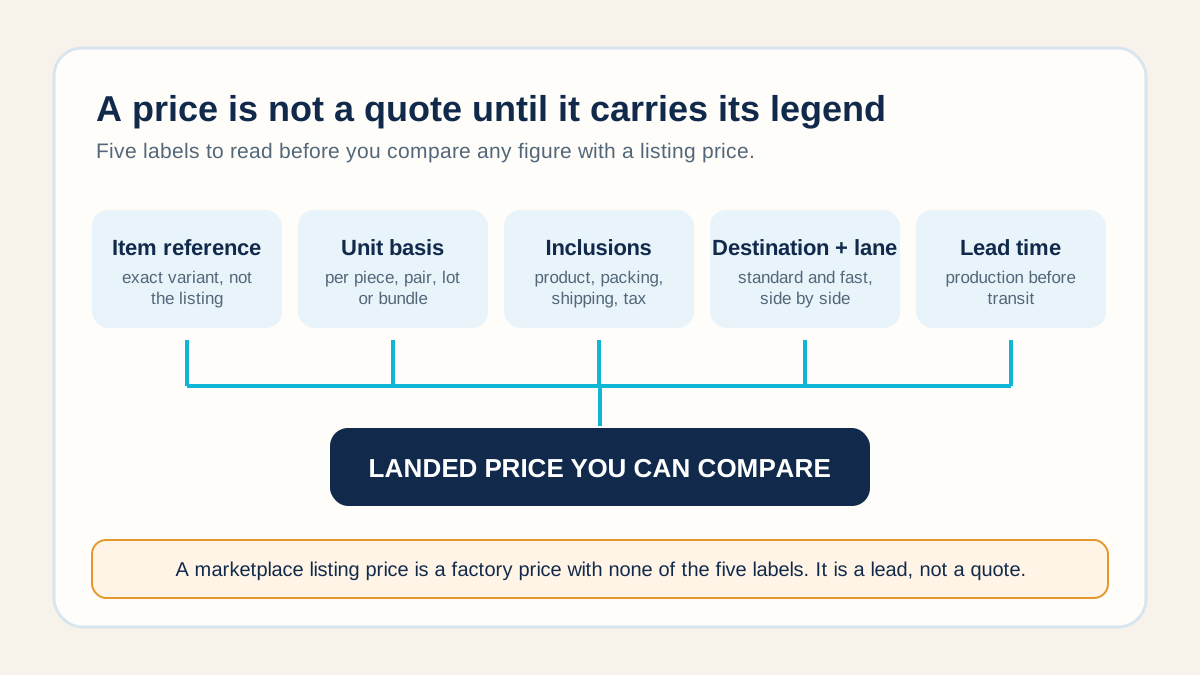
Check five details on every quote
Item reference. Match the quoted product to the link, photo or specification you supplied. Check the exact size, colour, material, model and included accessories. If the supplier found a similar item, ask for the differences before accepting it.
Unit basis. Check whether the price is per piece, pair, set, bundle or minimum-order lot. For a kit, confirm that the price covers all the parts and packing your customer expects. For a bundle, compare the complete packed order with the same bundle elsewhere.
Inclusions. Ask whether product purchase, checks, packing, domestic movement, international delivery, duties and taxes are included. Confirm separately quoted work such as inserts, branding or additional testing before paying.
Destination and service. Compare quotes to the same country using the same delivery service. Express and Standard can have different prices and transit estimates. On an EU order, ask how the applicable €3 customs-item duty is treated in the quote.
Time before dispatch. Add production or procurement, factory-to-warehouse movement and handling before the transit estimate. Ask which dates are estimates and which have been confirmed. A delivery estimate should cover the full journey your customer will wait for.
Read the minimum-order commitment
A low per-unit figure may assume that you buy a larger lot. Ask for the minimum quantity, total amount payable and whether the price changes for your actual order size. Confirm whether any excess units would be stored and what storage and later fulfilment would cost.
Sending a larger lot to your warehouse is a different order from sending one parcel to each customer. State which arrangement you need before asking providers to compare prices.
Check the shipping measurement basis
Shipping depends on packed weight, packed dimensions, destination and quantity. Ask whether the quote uses a measured parcel, a supplier estimate or a stated weight band. If the goods have not been received yet, confirm what could change after the warehouse measures them.
For fragile goods, compare the proposed packing as well as freight. Less padding may lower the first quote while leaving you with a different damage risk. Ask for packing options and their effect on the complete cost.
Approve alternatives explicitly
When a substitute is offered, ask for a photo, the specification differences and the price. Material, finish, dimensions or accessories can change what you can advertise. Approve the alternative before updating your listing or accepting production.
Keep several product quotes easy to compare
Use one sheet with a product reference, variant, quantity, destination and priority for each line. Mark products with paid orders waiting so the team can prioritise them. Start with one or two priority products while testing the fit, then work through the rest in agreed batches.
Keep the quoted version and date with the price. When a requirement changes, ask for an updated quote against that same reference so you can see what changed.
Check Shopify profit reports against the same order
Shopify announced improved shipping and duty data in Analytics on 23 September 2026. It says some merchants may see changes in reported shipping, duty or profit values. A changed report does not by itself establish that your supplier or fulfilment cost changed.
Reconcile one completed order before changing your selling price. Match the product and variant, quantity, destination, currency and date to the fulfilment quote and final invoice. Check the product cost recorded at the time of sale, shipping charged to the customer, shipping costs carried by the store, store-borne duties and taxes, and any discounts or refunds. Explain any difference between the quoted and final charges.
Shopify's Cost per item field is the product or variant purchase cost; it excludes shipping, taxes and other costs. Do not enter an all-in landed quote there and then count the same shipping or duty again. Keep those components distinguishable when comparing your invoice with the report.
Read Shopify's shipping and duty update and profit report definitions. Use our fulfilment cost calculator to compare the figures you enter. It does not read your Shopify reports or replace your order records.
Compare the same landed-price basis
Can you identify the exact item and unit? Are packing, delivery and tax inclusions clear? Does the shipping service match your intended destination and delivery estimate? Is the price confirmed or provisional? What happens if the supplier or packed measurements change?
Ask for missing details before paying. Compare the complete fulfilment cost with your selling price and the other costs you carry, including platform fees, advertising, refunds and customer support. A landed price is one input to your profit calculation.
Examples reflect anonymised sourcing and fulfilment situations from 16–21 August 2026. Confirm current product, route and commercial terms for your own order.
Need a product checked before you spend on ads?
Send us the product link and destination on WhatsApp (+86 178 4666 9989). We'll check sourcing, packing and shipping with you before you commit.
Get Sourcing Quote on WhatsApp →