Field note
The situation
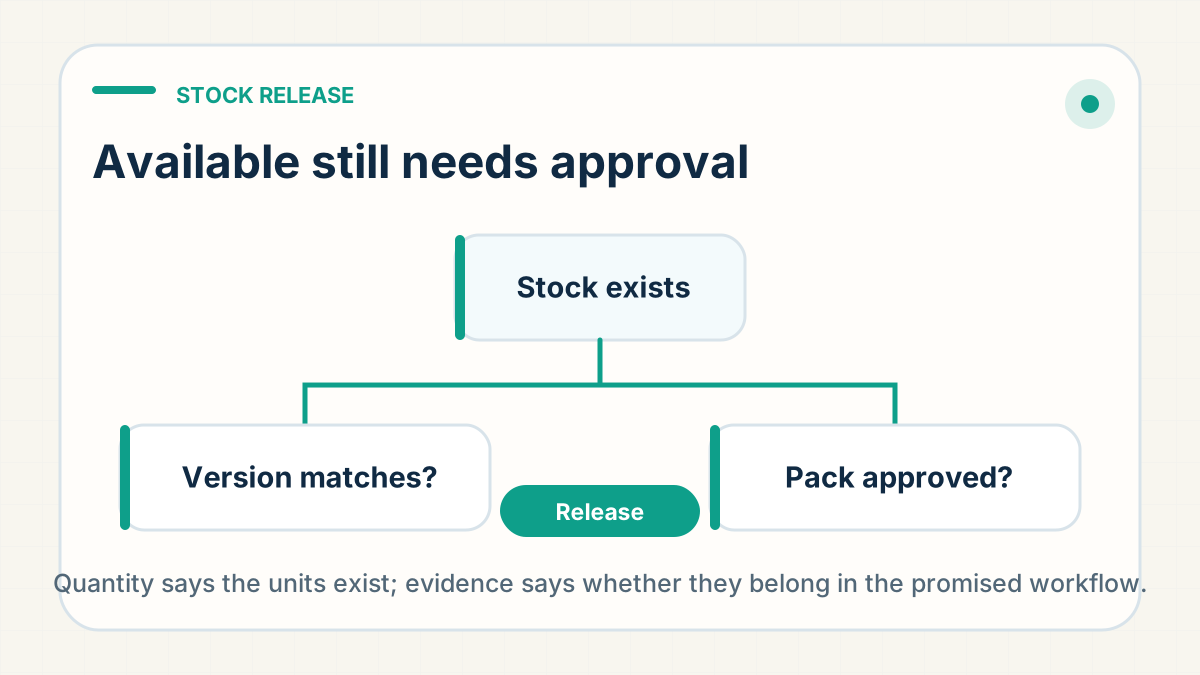
Approve a product's exact identity and customer-ready packing before release; a supplier saying it is in stock is not approval. Friday moved between available styles, out-of-stock versions, test-first decisions and public listing images that did not cleanly match the factory item. In a separate kind of conversation, sellers wanted to send stock from their own supplier into the warehouse for one-by-one fulfilment. Every item involved could be described as available. None was ready to release on availability alone.
Stock answers quantity, not identity
Before an available unit becomes sellable stock, match the exact version, material, colour, size, included components and packaging against the approved reference. If only a similar alternative is available, name the difference and get seller approval before the listing or order points to it. A substitute does not become exact because the original is inconvenient to source.
Test-first sequencing matters most when supplier photos and the physical item disagree. Receive or sample the candidate, capture the decisive evidence, and approve the customer-ready unit before treating inventory as a launch signal. The cost of pausing one test is smaller than buying stock whose difference appears only after customers compare it with the listing.
Seller-supplied stock needs a receiving contract
When the seller brings the supplier, sourcing may no longer be the first job, but operational ownership still needs defining. Record what arrives, who owns it, how incoming quantity and condition are checked, how variants map to SKUs, what storage and preparation apply, what evidence releases the stock, and who owns a supplier-side shortage or defect.
One-by-one dispatch also needs a written pack specification, order handoff, tracking return and returns process. "Send it to our warehouse" describes a location. It does not define the service boundary between the seller, supplier and fulfilment team.
A correct answer should lead to a decision
Several intake conversations showed the difference between customer service and pre-sales work. Answering the literal question is necessary; a useful commercial reply also identifies the product, destination and operating stage, gives the relevant recommendation, and asks for the one detail or commitment that unlocks the next step. That can be a reference, sample, test order, stock check or controlled integration preflight.
Sell approved stock, not merely available stock
Do not release a product because a supplier says it is in stock. Approve its identity and customer-ready presentation, define the warehouse handoff when the seller controls the source, and end each answer with the next verifiable decision. Availability is one field in the record, not the approval state.