Field note
A material decision met a delivery dispute
A custom-apparel project was stuck on the material rather than the sketch. The seller wanted a particular drape and silhouette, while early swatches answered only part of the brief. At the same time, a separate delivery dispute had reached the point where the strict policy position and the sensible relationship decision were no longer the same thing.
Neither problem could be solved by moving faster. The apparel sample needed a comparison against the intended use, not approval because it existed. The refund needed the available evidence, the agreed responsibility and the cost of continuing the dispute weighed together.
Neither a new swatch nor a refund proved the cause
Approving the wrong fabric would put the defect into an entire production run. Refunding every unclear case by reflex would create a policy nobody could sustain; refusing a modest remedy after the investigation had run its course could spend more trust than the order was worth.
Keep product approval and customer remedy separate
Sample work is useful when it answers a defined question about specification, finish or production fit. For private-label apparel, that can mean checking whether fabric drape and feel match the intended use rather than accepting the first stretchy substitute a supplier suggests.
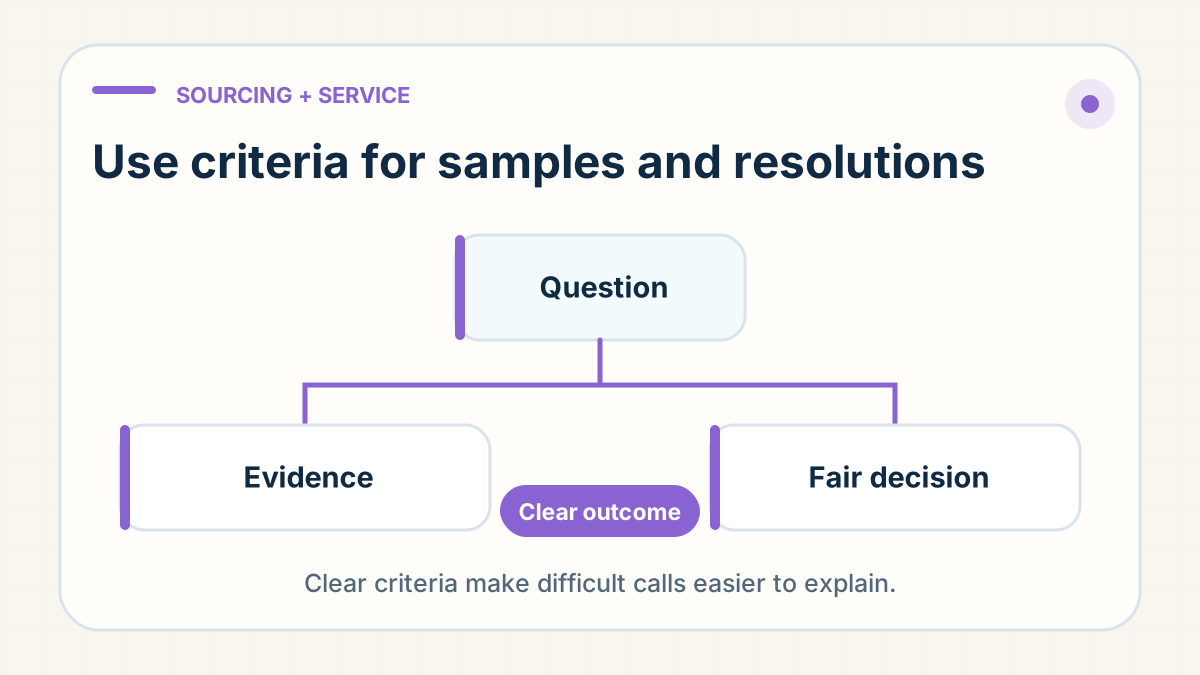
The same principle applies to refunds and shipping surcharges: establish the facts, check the agreed policy and choose a resolution that is fair as well as workable.
Clear criteria make both sourcing decisions and customer-service decisions easier to explain.
Both cases closed with evidence preserved
The swatches remained a decision tool: keep, revise or sample again, with the unchanged requirements written beside the requested changes. The customer issue was closed with a pragmatic remedy without rewriting the standing policy around one edge case. Both outcomes came from defining what evidence would actually change the decision.