Field note
Stock planning met an overworked claim
Two scales of work collided. A growing accessories account was using inventory sheets to plan replenishment and avoid falling back into per-order purchasing. In the after-sales queue, a device complaint had already consumed repeated messages about timing, evidence and whether it sat inside a warranty window.
The spreadsheet question was forward-looking: how much stock should be held and when should it be reordered? The complaint was backward-looking: what had happened, what could still be proved, and whether continuing to investigate would produce a fairer result than a clean refund.
More investigation was not always the fair answer
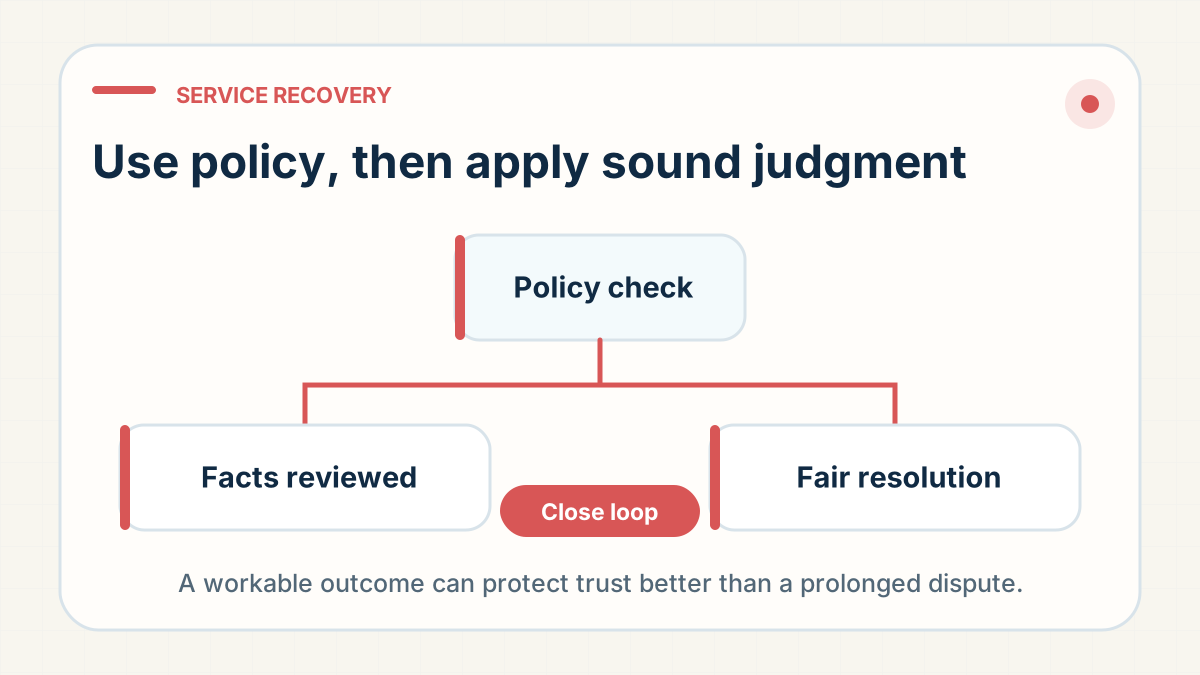
Policies are valuable because they make similar cases consistent, but a policy can become a shield against judgment. If the evidence window had effectively closed and the cost of further argument exceeded the item, extending the dispute would spend trust without improving the finding. Meanwhile, careless stock planning could tie up cash in the wrong variants.
Separate replenishment control from customer remedy
A good policy provides a starting point, but it does not remove the need for judgment. Warranty questions, inventory planning and customer outcomes need the facts of the case and a clear view of what can be resolved responsibly—whether the range is optical accessories, camera accessories or another small consumer product.
Spreadsheets help teams plan stock and purchasing, but they should not hide a decision that is ultimately about trust and a workable customer outcome.
Use the policy consistently, document the decision, and know when a clean resolution is better than extending an unproductive dispute.
Close the claim; keep the operating evidence
The inventory work kept forecast, sellable stock and confirmed inbound units separate. The mature customer case was resolved rather than stretched into another round of inconclusive proof. The shared lesson was that a spreadsheet or warranty rule should help a person decide; neither should be used to avoid the decision.