From the operations desk
We've got a longtime account selling a nail care product that's genuinely taking off, the kind of growth every seller wants. The problem is the factory behind it couldn't keep pace. Certain colors kept running short, and for a stretch we had our team chasing the factory morning and night, tracking exactly which colors were shipping today and which ones tomorrow, pushing them to prioritize whatever was most out of stock, and having staff work overtime to pack and ship the moment new inventory landed.
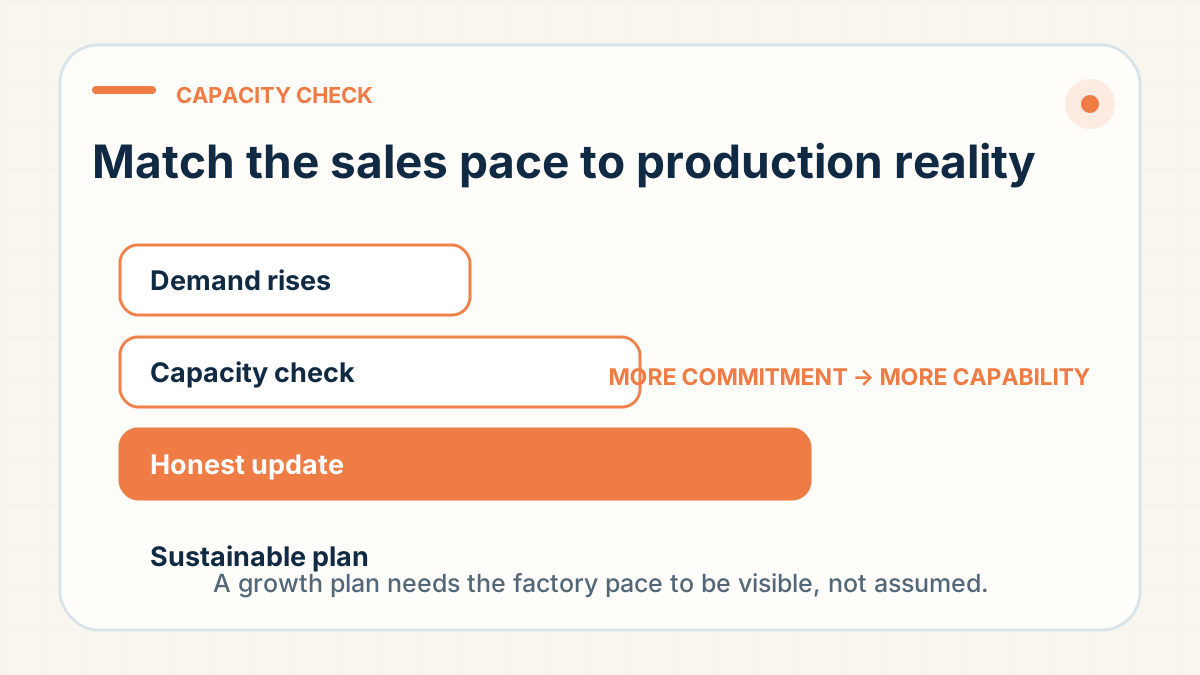
We made a deliberate choice in the middle of it that turned into the harder conversation. Rather than placing one enormous factory order upfront, we kept ordering in smaller daily batches. That wasn't indecision, it was risk management: without a firm volume guarantee from the client's side, committing a large amount of our own cash to inventory we weren't certain would sell through felt like the wrong risk to take on their behalf. Once a proper guarantee was in place, we moved to a much larger order and locked in better factory pricing on it.
From the client's side, once they saw the bigger picture, a fair question came up: could some of the earlier daily purchases have been folded into that better pricing too? It's a completely reasonable thing to ask, and it took a genuinely detailed back-and-forth, working through order dates, what had already been committed to the factory before the guarantee existed, and what came after, to get everyone looking at the same facts. A mentor this seller works with, someone who supports a number of the sellers we fulfil for, was part of those conversations too, which turned out to help, having a third party who understood both the business pressure and the operational reality made it easier to stay grounded in facts rather than frustration.
What we actually think about it
We'd rather have that conversation, slowly and in full detail, than paper over a pricing disagreement to keep things comfortable. Growth like this is the good kind of problem, but it still means renegotiating things that used to be simple: how much to commit to a factory, how fast to scale a purchase order, who's carrying the risk while everyone waits for demand to prove itself out. None of that has a clean, obvious answer in the moment, and reasonable people can see it differently.
What we're actually proud of here isn't that everything went smoothly, it didn't. It's that the team kept chasing the factory daily rather than letting a stock-out sit unaddressed, and that when the pricing question got hard, we sat down and answered it point by point instead of going quiet. That's the version of "handling it" that actually matters when an account is scaling this fast.
If there's a lesson worth keeping, it's this: fast growth strains the plumbing before it strains the relationship. Catch that early, keep explaining your reasoning even when it's inconvenient, and the relationship tends to hold.