Field note
New sourcing shared a queue with yesterday's loose ends
The Sunday queue mixed new sourcing for lightweight home and lifestyle goods with loose ends from already-active product lines. Several variants looked similar in supplier photos, while stock names, packing references and customer-facing option labels did not yet line up cleanly.
This was early-stage work for some sellers and repeat fulfilment for others. The distinction mattered. An exploring seller could wait for a Monday supplier reply; a live order using an ambiguous variant name could be picked incorrectly the next morning.
Similar photos could reopen the same fulfilment mistakes
Starting another sourcing search would have felt productive, but leaving the known naming gap in place risked a wrong-item dispatch. Once a customer has ordered from a photograph and option label, an internal shorthand is no longer harmless—it controls what the warehouse puts in the parcel.
Fix the references before adding more products
A sourcing follow-up on home-comfort and lightweight lifestyle products, plus a few unresolved packing details, shaped the day. The useful questions were practical: what specification needs confirming, which variants can be named consistently, and what can wait for a supplier reply on Monday.
Small issues become expensive when they are carried forward without a clear owner or evidence trail. Similar-looking variants are especially risky when a packer has only photos rather than an agreed SKU name.
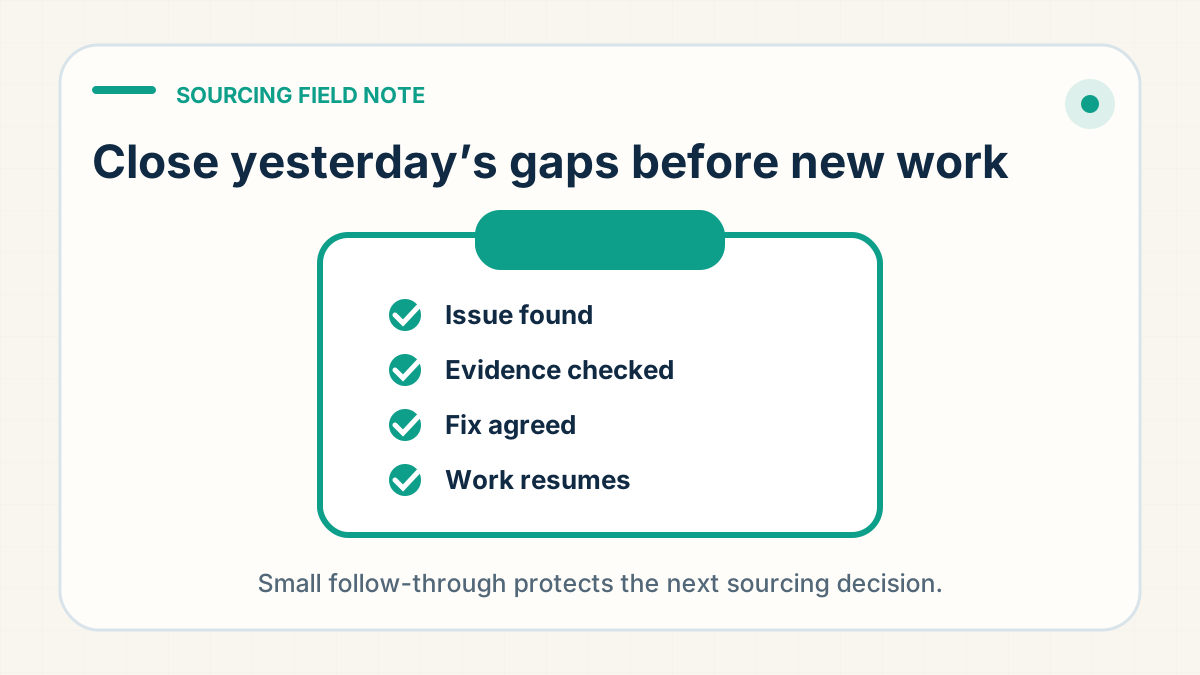
Before starting new work, close the gap you already understand and record what still needs verification.
Monday began with fewer ambiguous SKUs
The team prioritised the fix that could affect live orders: one name per physical variant, a matching photo, and a note on what still needed supplier confirmation. New searches stayed open with owners for Monday. The reset worked because it reduced tomorrow's avoidable ambiguity rather than merely clearing today's unread messages.