From the operations desk
The agent reopened before the factories did
On Monday the agent was answering and shipping again after the National Day break; the factories were not. More than fifty conversations were told on Monday that their supplier was still on holiday. A seller still preparing their store asked that evening whether they could keep sending products to check. The answer was yes, no orders needed, two or three priorities first so the quotations would not get mixed up, and with many factories still closed, any new quote would wait for its supplier.
What can still ship while the factories are shut is set out in planning for factory holidays and sudden demand.
A paid batch went out the next day
An apparel seller asked at midday whether dispatch was running. It was. The seller pasted that day's orders, the invoice went out that evening, the transfer confirmation came back the same evening, and the batch was set to ship the next day.
In another thread, a first-orders buyer's parcel had already reached the warehouse, and the last step before it left was the arrival check the buyer had asked to see. A large volume of parcels arriving after the break meant the short video of the goods came in the afternoon. The buyer approved it within minutes and the tracking number followed shortly after.
A missing phone holds a parcel no factory touches
One order in the warehouse was bound for a destination whose carrier requires recipient contact details. Without a phone number no tracking number could be issued and the parcel could not be booked, and the agent cannot make a number up. The desk asked in the morning; the seller went back to the customer, the number arrived late in the afternoon, and the parcel was set to go out the next day. What every address needs, a phone the recipient answers and a house or building number, is covered in recipient contact data is part of delivery; collect both at checkout.
Payment is the same kind of blocker. The same seller's invoice went out in the morning with a note that the goods would be bought once the payment, or a screenshot of it, came in. The screenshot came in the afternoon, and the goods were to be bought that day.
Orders bought on day one still had a supplier leg
One seller's holiday-weekend orders came back split in two. Some were for goods already on their way to the warehouse, to ship as soon as they arrived. The rest were new orders, bought that day, that still had to travel from the supplier to the warehouse. Before the invoice went out, every colour and size requested was confirmed in stock at the supplier, and the seller paid within a quarter of an hour. A tracking number for the second group comes only at dispatch, after those goods reach the warehouse.
Rank the sourcing list; the factories answer it
That evening the same seller asked for suppliers for every product link sent before the holiday, with no order of priority. An established client restating a long quote list did the opposite and asked for the one item that already had orders waiting to be priced first, then the rest.
Products with live orders go first in any case; how pre-order sourcing checks are prioritised explains the batches. A long, unranked backlog sent as the agent reopens is answered as the factories reopen, and nothing in it tells the desk which item matters most.
Ask for the list of orders blocked on you
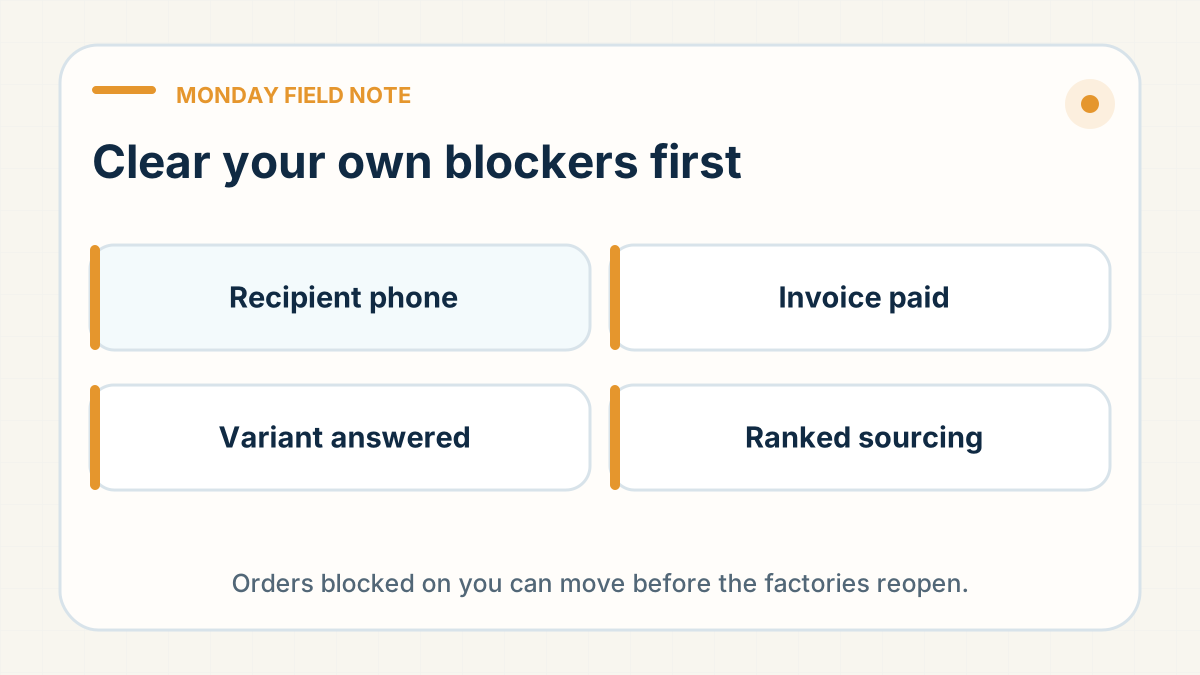
When your agent reopens after a closure, ask for the list of your orders that are blocked on you rather than on a supplier: a missing recipient phone or house number, an unpaid invoice or a payment not yet matched to it, a variant or substitute question still waiting for your answer, and any goods waiting for your approval. Clear those that day, because they are the orders that can move before the factories do. Then send new sourcing as a short ranked list, live-order items first, and expect the answers on the factories' restart, not the agent's.