Field note
The situation
By Friday, several threads had reached different kinds of pause: a supplier still needed to confirm a version detail, an after-sales concern needed better evidence, and a delivery case was waiting for the next meaningful carrier event. None benefited from a rushed answer simply because the working week was ending.
The end of a busy week can feel deceptively quiet. Some enquiries are still waiting on a supplier confirmation, some product-quality questions need evidence, and some shipping questions will only move when the next scan arrives. The goal is not to force every thread closed just because the week is ending.
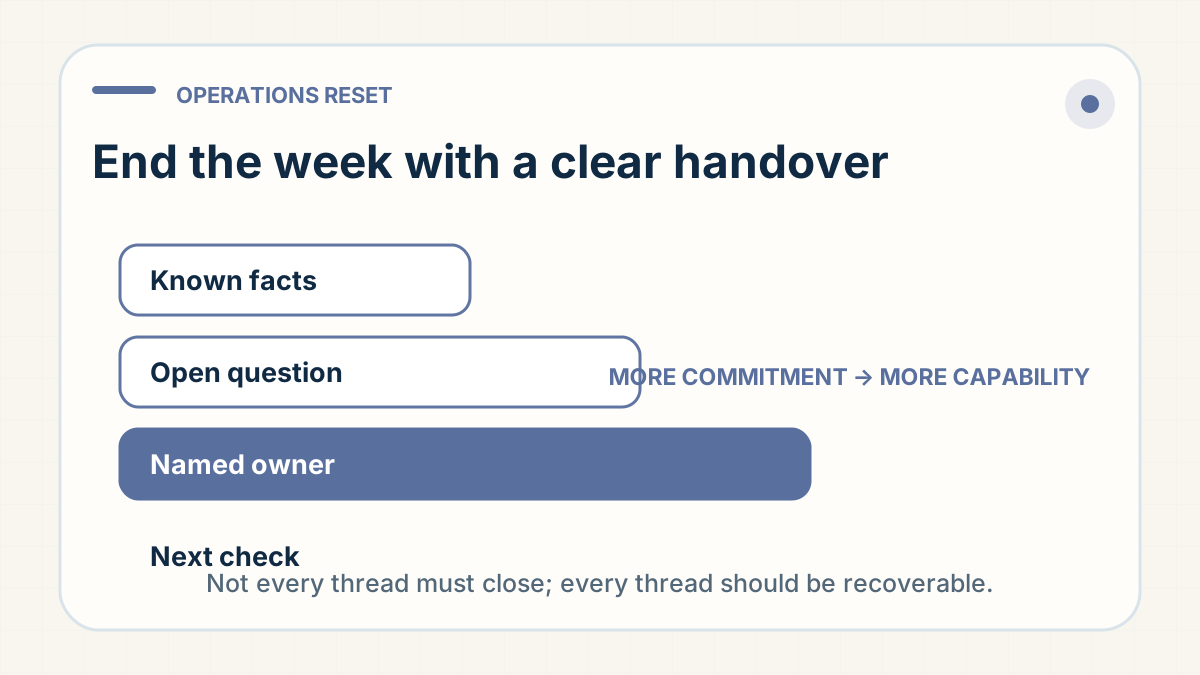
Instead, we try to leave a clean handover: what happened, what is still unknown, who owns the next action, and when it should be revisited. This includes whether an after-sales case needs more evidence, a reshipment decision or a policy-based refund conversation. It is a small discipline, but it stops a team from rediscovering the same context after a weekend.
New seller desk
The intake side was active too. Several sellers began with a quote and destination, while others also needed sample evidence, branded or neutral packing, a stock decision or a store connection. One anonymised pattern was a broad accessories enquiry that looked like a price request but was really a six-part decision: exact source, route, sample proof, packing treatment, stock path and eventual order flow. Capturing those parts at the start made the next reply useful and left fewer open loops.
Across the day, destination questions repeatedly concerned the US and European markets. The scale was mixed: some conversations were about a handful or low tens of orders, while separate factory discussions were already considering hundreds of units. That range made a clean stage-and-next-action handover more useful than one generic follow-up.
A short, honest update with a defined next check is more useful than a vague assurance that something is being handled.