Field note
The situation
A busy dispatch day is rarely just about getting parcels out. It is also the day to make sure the route, address information, handling window and tracking expectation all tell the same story. That mattered for a batch of compact consumer items with frequent model changes, cancellations and address amendments. A parcel can be physically ready while its order record is still carrying an outdated variant note or an address change that arrived too late for a safe edit.
What can go wrong
A label created, an export handoff and a final-mile scan are different events. Treating them as the same thing is one of the easiest ways to give an overly optimistic delivery update—or to assume a late address change can still be made safely.
The customer sees "shipped"; the operation may still need to confirm which physical handoff has actually happened. The same distinction governs late changes: once a parcel has entered the warehouse release sequence, an informal instruction in a chat is not enough to assume the address can still be altered.
The operating check
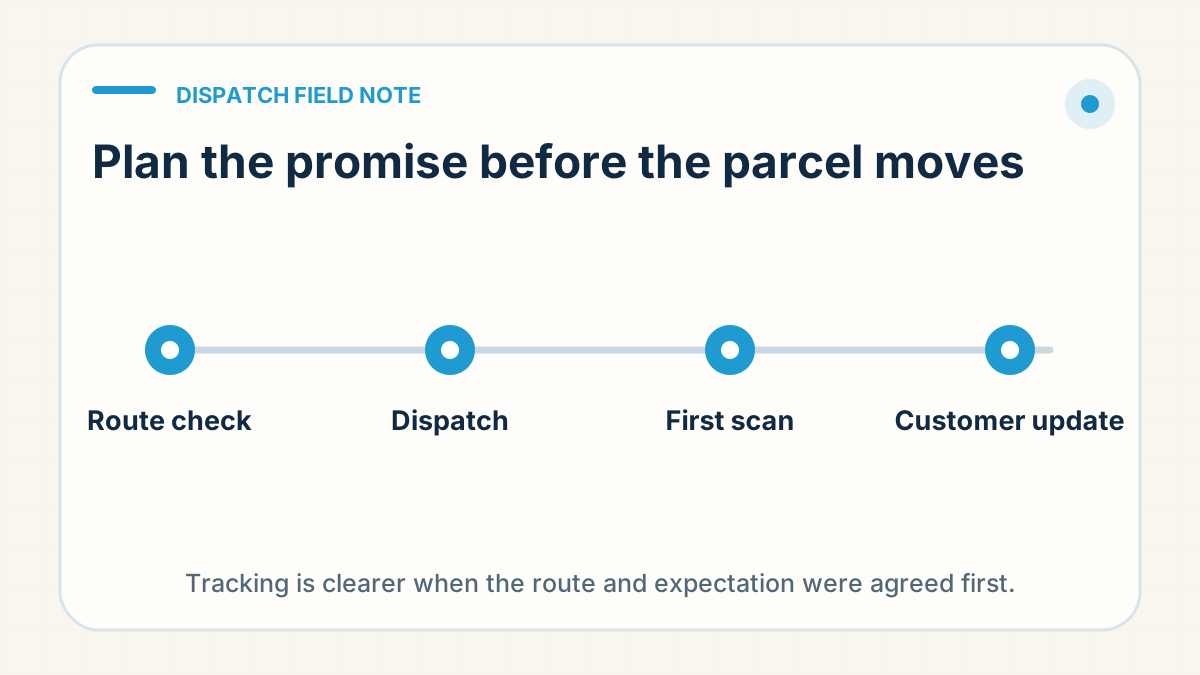
Before release, we need the product version, shipping address, route and customer promise to match the same order. If an amendment arrives after the picking or label cut-off, it should be treated as an exception with a visible decision rather than an assumption. We then explain the next meaningful tracking milestone, not every scan, but the one that confirms the parcel has entered the expected leg of its journey.
Plan the tracking handoff before release
Decide the customer-facing delivery window before dispatch, then explain the next meaningful tracking milestone. It keeps the order team, the seller and the end customer working from the same expectation.