From the operations desk
Today's most useful conversation didn't involve a single complaint, it was a client getting ahead of the next dozen. An electronics seller who deals with a steady stream of damaged-unit claims laid out a simple standing rule for us: if a case is genuinely unclear, reship it and split the cost with him fifty-fifty; if it's obviously defective, just send a replacement, no argument. That's the kind of policy that saves everyone a week of back-and-forth per case, and we spent the rest of the day applying it to a handful of camera complaints that came in right on cue, a scratched lens here, a dead unit there.
The harder story of the day belonged to a seller who'd been paying us through a personal money-transfer account, only to find that account starting to throw compliance warnings for repeated business use. She was, understandably, scared of losing access altogether, and asked if we could offer a different payment option instead.
We don't currently have that alternative set up, and told her honestly that adding it would mean extra fees we'd have to pass along, but we're actively working the problem rather than leaving her to sort it out alone. It's a good reminder that for sellers running a real business off a personal account somewhere in the world, the plumbing underneath a simple WhatsApp order can get complicated fast, and it's on us to help however we can.
A bulky-furniture enquiry showed why the product price alone was insufficient: the quoted freight materially changed the total. Ask for packed dimensions, chargeable weight and the complete delivery cost before comparing offers.
Some days are about fixing what's broken. Today was more about the plumbing everyone assumes just works.
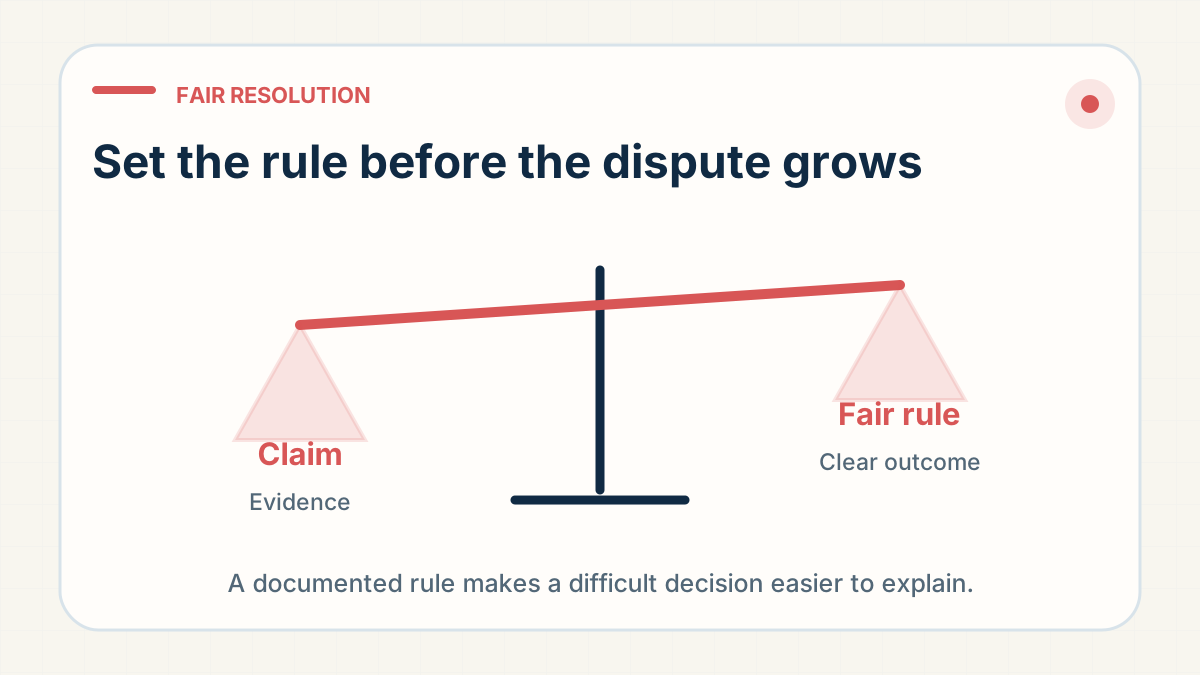
Agree how recurring claims will be assessed before the next one arrives
Agree how recurring claims will be assessed before the next one arrives. The fifty-fifty arrangement above was one seller’s historical agreement, not a standard remedy for every account. Compare the complete freight cost for a bulky item before approving its quote.