From the operations desk
Tracking and defects left the automatic path
A set of cross-border orders had reached the point where the normal automatic flow no longer explained what was happening. Tracking existed, but the next useful event was unclear. In a separate product thread, a reported issue needed a short piece of visual evidence before a remedy could be chosen fairly.
Both situations sat just beyond what a connection can safely decide. Software could carry the order and tracking fields, but it could not establish the parcel's physical custody or distinguish a product fault from setup, charging or use.
Automation could not choose the next promise
If the team treated every quiet tracking page as a loss, it could resend unnecessarily. If it treated every product report as proven, it could issue the wrong remedy and learn nothing about recurrence. The promise of automation had to stop where judgment and evidence became the actual work.
Rebuild each exception from evidence
A group of cross-border orders needed a review after tracking stopped telling a clear story. The work was not simply to wait or to declare every parcel lost; it was to check the last meaningful event, the route context and the next action the seller could honestly communicate.
The same principle applied to a reported product issue. A short, relevant photo or video can help distinguish a defect from a setup, charging or use question before anyone approves a costly remedy. Automation can move routine order data, but it cannot replace evidence or a clear exception rule.
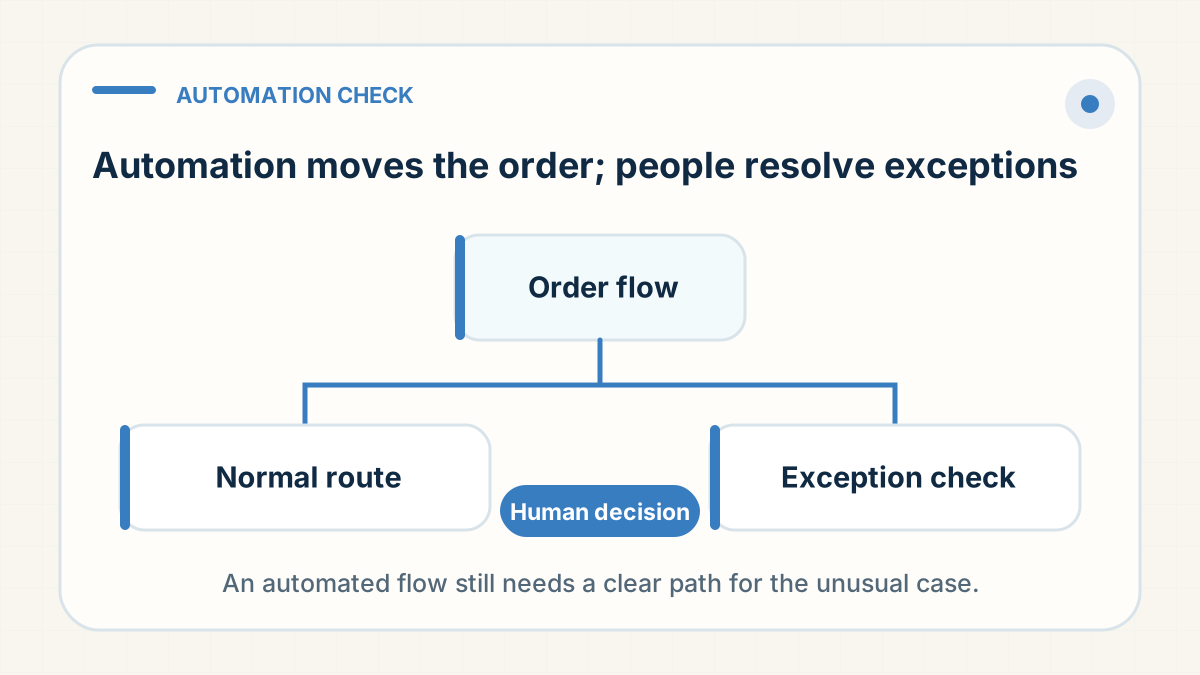
Use a connected workflow for routine steps, then define exactly when a person must verify, contact the customer or make a policy-based decision.
Every order left with one honest state
Routine data stayed automated, while explicit exception gates sent unclear tracking and product evidence to a person. Each open case left with a last confirmed fact, the missing evidence, an owner and a review point. "Automatic" became a defined handoff, not a claim that nobody needs to look.