From the operations desk
The situation
Monday brought several requests that looked simple at first: find a product, quote a shipment, check a delayed order or confirm whether a version would work. Once the messages were read carefully, each request contained several separate decisions. A seller might need a specific material, a particular destination, a sample, a document check, packaging and delivery timing in the same conversation.
Why partial answers feel complete in chat
Chat encourages teams to answer the easiest visible component first. A product link can answer the broad sourcing question while leaving the exact version unresolved. A shipping price can appear complete while tax treatment, parcel limits or delivery range remain unknown. A quick acknowledgment can show that the message was seen without showing who owns the remaining work.
Restate, split and assign
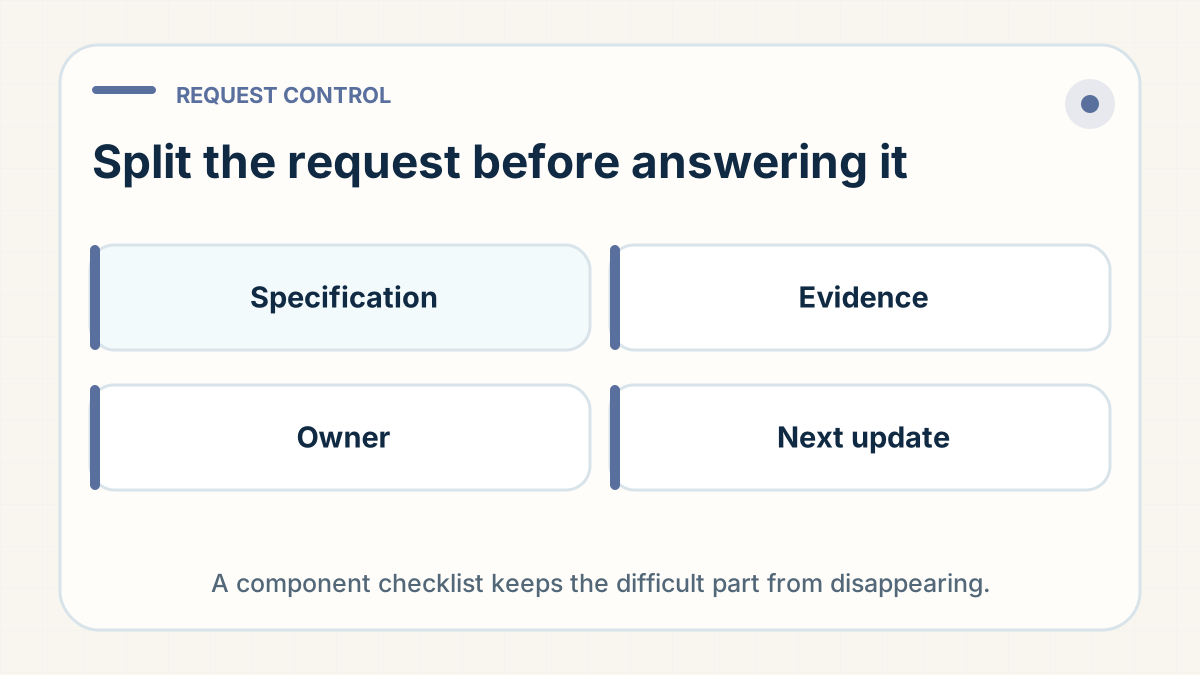
The better operating habit is to restate the request in components before researching it. Each component should have one of four states: confirmed, needs evidence, blocked by a named dependency, or not available. That makes it possible to send a useful partial update without accidentally presenting it as a final answer.
New seller desk
This was one of the week's busiest clusters of early conversations. Almost every useful brief combined sourcing with destination and timing; several also needed a sample or quality evidence, while others introduced branding, stock or store workflow. A representative apparel or footwear enquiry was not simply "find this". It needed an exact customer-ready version, packing expectation, route and a clear decision about whether to test one order before adding deeper automation.
The destination mix included the US, UK and wider North American and European markets. Seller stages ranged from exploration with no paid orders to low-tens order requirements. That difference changed the answer: validate one route and one product for the former; prove a repeatable release and tracking flow for the latter.
Break the request into answerable parts
A seller should not have to repeat the hard part of a brief after the easy part has been answered. A short component checklist protects both sides: it shows what the team understood, exposes assumptions early and gives every open question a visible next action.