From the operations desk
A message came in recently that was different from the usual first contact. Not a single seller asking for a quote, but someone who coaches a few hundred dropshippers, pitching an actual partnership: he'd keep sending students our way, we'd handle their fulfilment, and in exchange we'd figure out a fair commission structure and build something that felt like a real ecosystem rather than a one-off referral.
It's a genuinely interesting kind of relationship, and it's worth thinking through carefully rather than just saying yes to everything that sounds good.
What was actually on the table
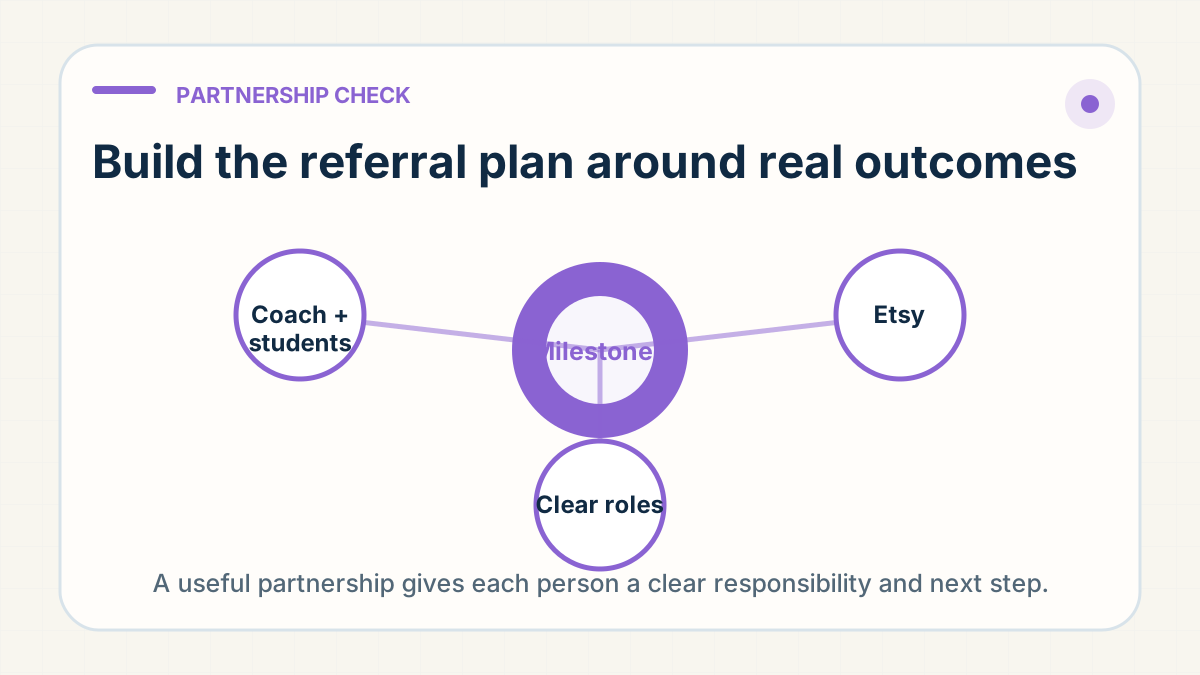
A commission on new students referred going forward. Co-branding ideas, warehouse signage, visuals his students could see and recognize. A way to track which student came from which referral, so both sides could see the relationship actually growing over time. Even a milestone-reward idea, small trophies or recognition at order-count thresholds, meant to give his students something to work toward.
What we agreed to right away
The commission structure, going forward, made sense. Being included in relevant conversations so he could see his students' progress, made sense. Respecting confidentiality between his different students, not letting one see what another is sourcing, that's just good practice regardless of the partnership, and something we already do as a rule.
Where we pushed back, respectfully
A few of his students had already been quoted before this conversation started. Applying a new commission retroactively to pricing we'd already committed to would mean either eating the cost ourselves or requoting people after the fact, neither of which felt fair to the students already in motion. We said so plainly: happy to build this properly starting with the next referral, not by unwinding pricing that was already locked in.
We also flagged something worth being upfront about, competitive pricing is part of why students prefer working with us in the first place, and adding commission on top means our pricing has to adjust to stay sustainable. Better to say that clearly at the start than have it surface as a surprise later.
Why we think partnerships like this are worth doing properly
A coach with real reach into a community of active sellers is a genuine source of good clients, if the incentives are actually aligned and both sides are honest about the trade-offs upfront. The version of this that fails is the one where everyone agrees to everything in the excitement of the first conversation and sorts out the hard parts later. We'd rather have the slightly awkward "here's where we can't say yes" conversation on day one than build a relationship on assumptions that don't hold up.
If you're someone with a community of sellers and you're thinking about a referral relationship with a fulfilment partner, the questions worth asking upfront are usually the unglamorous ones: how does pricing already in motion get handled, how is confidentiality actually protected, and what happens when the numbers don't quite work the way the pitch assumed. Get those answered honestly before the partnership starts, not after.