Field note
What was happening
This was a typical mixed operations week: a seller compared an early test option with a more established supply path, a sample needed a clearer approval point, an inventory question depended on the exact variant, and a shipment needed a realistic explanation of its tracking stage. The work looked varied on the surface, but every case improved when the next action was named instead of assumed.
The theme of the week
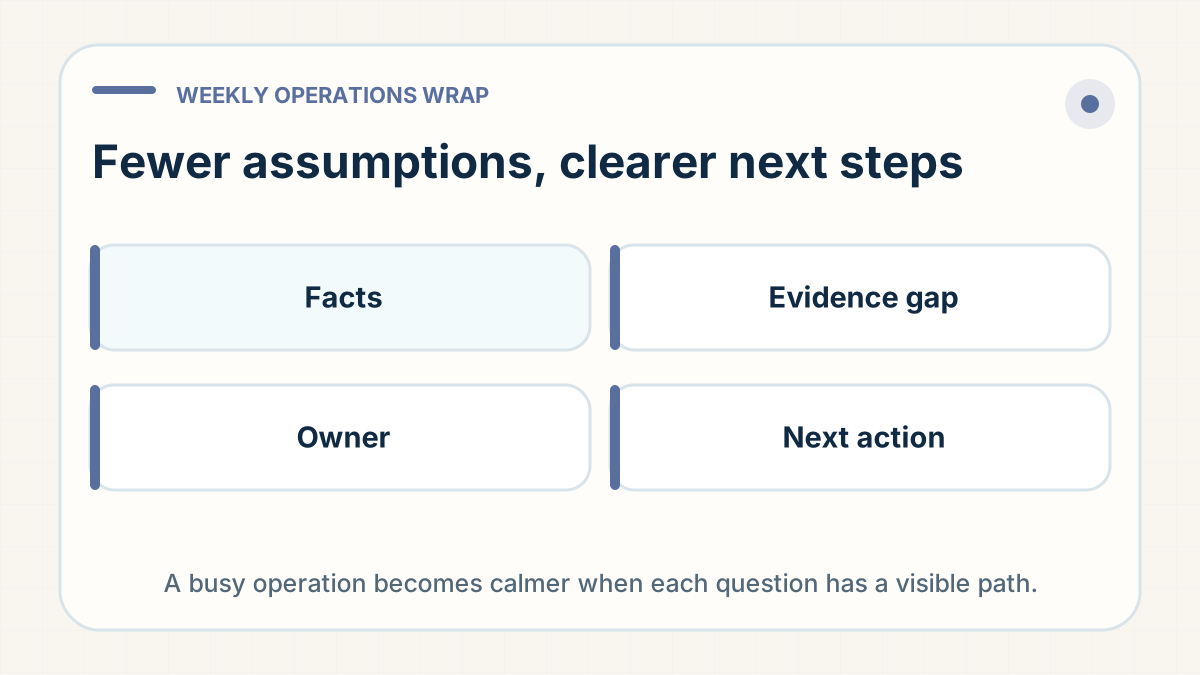
The strongest theme from this week was not speed. It was clarity. A busy operation can handle many different questions when each one is reduced to the same practical structure: what do we know, what still needs confirmation, who is taking the next action, and when will it be checked again?
Where that structure helped
That structure connected work that can otherwise feel separate: comparing a no-MOQ test option with a proven supplier, reviewing a custom-apparel sample, rebalancing stock between product ranges, checking quality and packing instructions, selecting a route for a difficult destination, and explaining a tracking update. The decisions are different, but they all become safer when evidence replaces assumption.
What a productive follow-up leaves behind
The strongest call and chat follow-ups in the records had the same shape: a short summary, a clear action for the team or seller, and a sensible point to check progress again. That is useful whether someone is still evaluating a fulfilment partner, moving into setup, or reviewing an existing service after a difficult order.
A carrier test includes the tracking experience
A controlled route test should measure more than delivery speed. The seller also needs to know when tracking becomes visible, whether the store or marketplace recognises the carrier, how the last-mile number is obtained and what happens during an exception. A fast route that looks unshipped to the customer can still create avoidable disputes.
Branding needs a release checklist
Packaging, inserts, logo stickers and barcode placement should be tied to the exact product and approved version. A short brand-asset checklist—file, colour, size, placement, applicable SKUs and stock count—reduces the risk of a correctly sourced item leaving without the expected customer-facing details.
Close each assumption with an owned next step
You do not need a complicated operations system on day one. You need a shared place for the current facts, the next action and the person responsible for it. Everything else can grow from there.