Back to blog
Diary

Thursday: Checking Before It Ships, Not After

4 min read
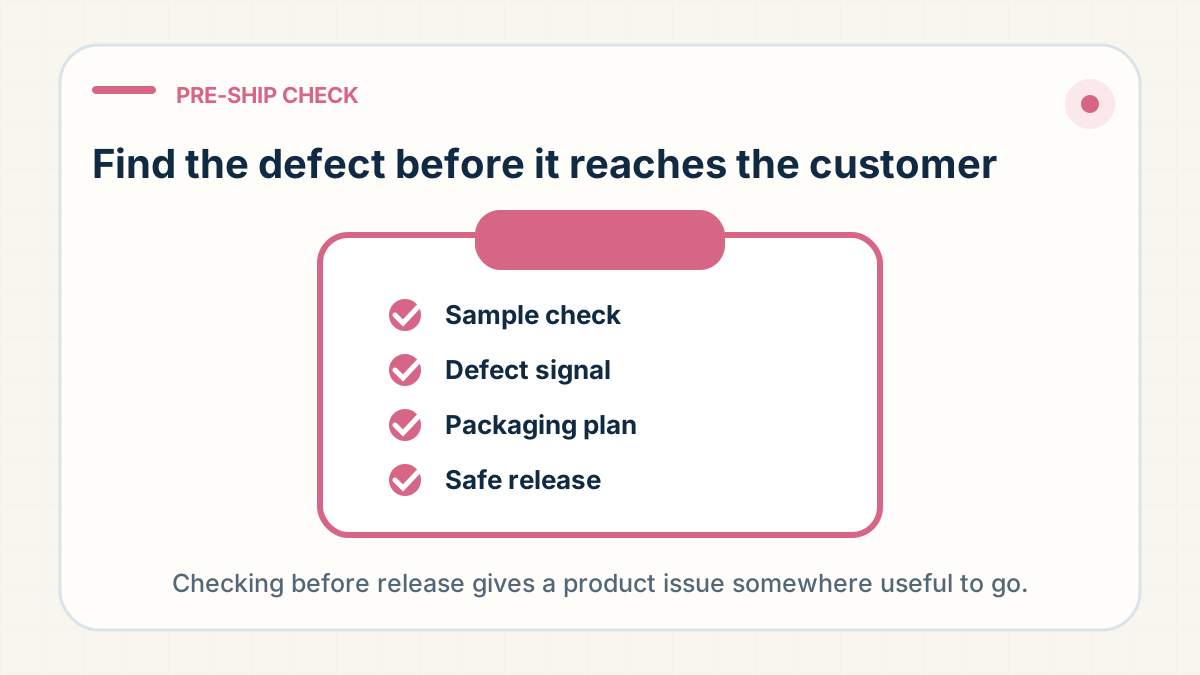
Find the defect before it reaches the customer. Checking before release gives a product issue somewhere useful to go.

The situation

This field note is drawn from a real operational pattern, with identifying details removed. The immediate issue was: A children's product brand asked us to spot-check a binding defect across boxes before it reached more customers, another client decided every future order needs proper branded packaging, and we ke.... The product, seller and order-specific details are deliberately broad, but the decision process is the same one a growing store needs to make.

A children's product client flagged something today that we take seriously every time it comes up: pages in a batch of books weren't holding together properly. Rather than just refunding the units already flagged and moving on, they asked us to actually spot-check a sample across multiple boxes to see whether it was one bad batch or a wider pattern. We agreed, that's exactly the right instinct, catching a binding defect before it reaches a dozen more customers is worth far more than the time it takes to check.

A longer-running apparel client made a decision today that we think is the right one for where their brand is headed: after a stock-out forced us to ship a batch in plain generic packaging, they told us plainly that from now on every order goes out branded, no exceptions, even if it means a short delay while the right materials are in stock. It's a good sign when a client starts treating packaging as non-negotiable rather than a nice-to-have, it usually means the brand is maturing past its early, anything-goes stage.

In the background, we kept testing a handful of alternate shipping routes to bring down the new EU import tax, comparing a few different logistics channels rather than declaring a winner too early. One early result looked genuinely promising, a shipment landing in about nine days through a faster combined channel, but we're deliberately not rolling it out everywhere yet until we've seen it hold up across more orders. Better to under-promise here than tell a dozen clients we've solved something and then have to walk it back.

Some days are about catching things before they ship. Today was that, twice over.

What it meant operationally

The operational question is usually not whether a tracking number exists, but which physical handoff has actually happened, what the next meaningful event should be, and when an exception warrants action. Separating those states keeps a customer update honest and prevents an early scan from becoming an unsupported delivery promise.

The practical takeaway

Use the current physical stage, the next expected milestone and a defined review point in every delivery update. That gives the seller and customer a useful answer without exposing parcel-specific information.

Build a defect record that can produce a real fix

  • Record the approved product version, arrival date and observable problem.
  • Collect clear photos or video of the item, packaging and relevant function.
  • Separate product defect, packing damage, transit damage, setup issue and wear after use.
  • Choose the commercial remedy, then ask whether the supplier, QC brief or packing instruction must change.

Closing one refund is not the same as correcting a repeatable problem. The useful outcome is both a fair case decision and a clearer release rule for the next order.

Want to discuss a similar order decision?

Send the product, destination and the point where you are stuck on WhatsApp (+86 178 4666 9989). We will help you work through the operational next step.

Talk to RyanFulfil on WhatsApp →