From the operations desk
The situation
Sunday's fulfilment work included a sample still in production, an order that needed to be held while the customer changed it, a bundle whose included components needed checking, returned parcels awaiting corrected delivery details and questions about an imminent European fee change. None of these was fully solvable through speed alone.
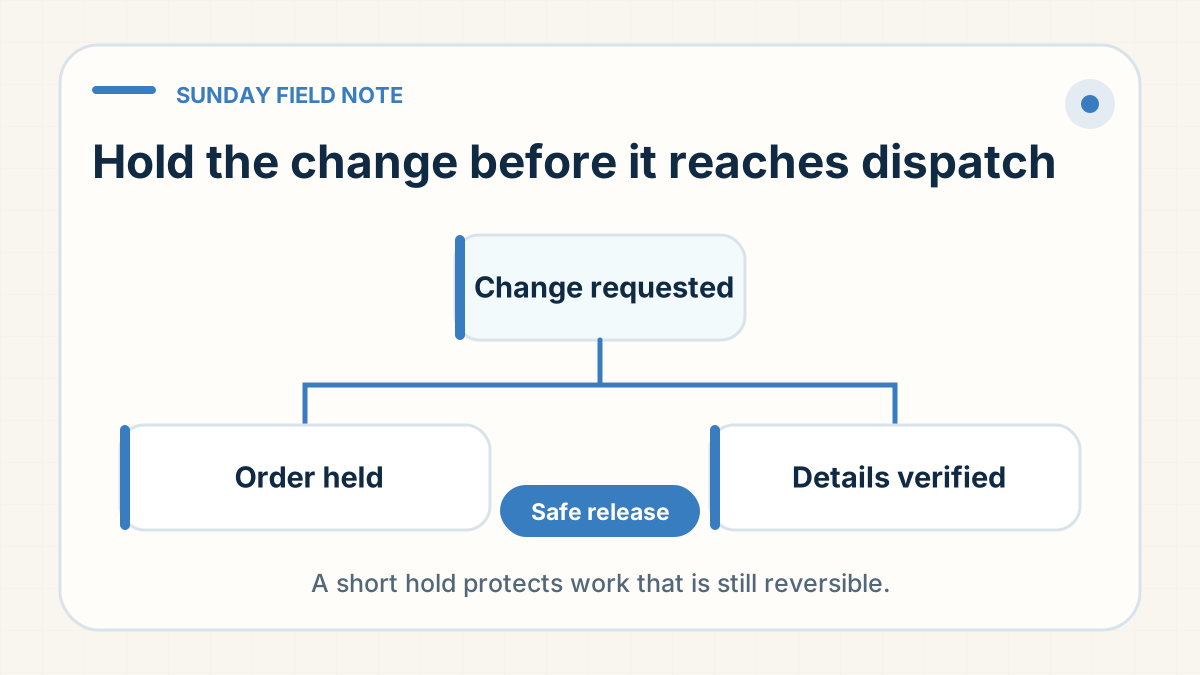
- 01Hold the affected orderA short hold is cheap; an intercepted parcel is not.
- 02Verify the new instructionConfirm the change against the approved reference, not the message.
- 03Update the physical workflowPicking, packing and labelling all have to hear it.
- 04Release only after confirmationReversible until released; effectively final afterwards.
A hold is a useful operating action
When an order or specification is still changing, pausing release protects more value than pushing it forward and trying to correct it later. The hold should state what is affected, who can approve the new instruction and when the team will check again. "Do not send yet" is only safe when the physical workflow can identify the affected order before dispatch.
Separate current facts from Monday dependencies
The sample had a supplier production estimate, not a completed approval. Returned parcels had updated delivery information, not a confirmed reshipment. The changing tax question needed the destination and effective date, not a broad answer copied across every market. Each update became more useful when it said what was known now and what required the next supplier, warehouse or route check.
Check the whole customer-ready unit
The bundle question was a reminder that the main product is not the complete order. Accessories, gifts and other included pieces affect stock, packing, cost and customer expectation. Before a held order is released, the team should confirm the full unit of sale against the latest approved instruction.
Hold first, verify the dependency, then move
A responsible Sunday handover does not pretend every dependency is available. It protects reversible decisions, records corrected information through the right channel and gives Monday a short list of exact checks. Hold, verify and then move.