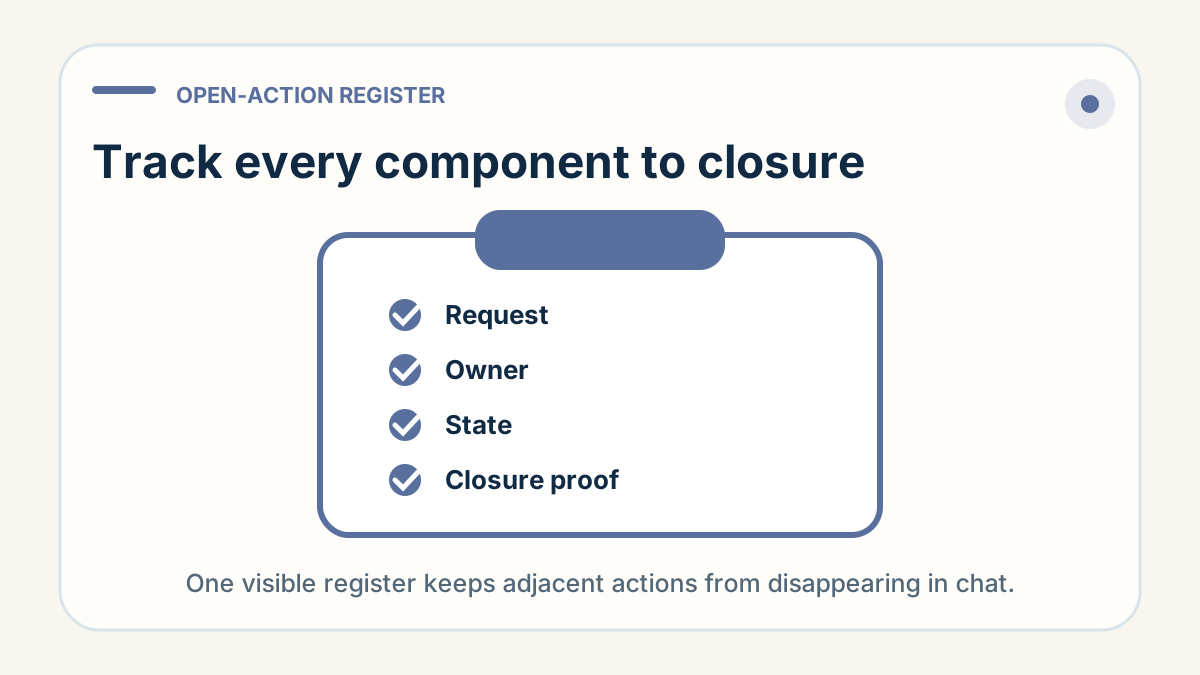
Keep the open issues visible
When a conversation covers several orders, a supplier question and a refund request, the latest reply may address only part of what you asked. Keep a shared list with your fulfilment partner so both sides can identify each unresolved outcome and the next action.
Use a separate row for each outcome
Separate issues that need different decisions or can finish at different times. A missing component, a replacement shipment and an invoice correction should remain distinguishable even when they concern the same order. Keep a common order or case reference so the connection is clear.
Ask for the fields that help you decide
For each issue, record the order or product reference, the requested outcome, the current status and any photo, supplier reply or carrier event already received. Name the person responsible for the next update and agree when that update is due.
Keep your requested remedy separate from the remedy approved by the supplier or carrier. A request for a refund is not a completed refund. A replacement approval is not evidence that the replacement has been dispatched.
Make the next update specific
Ask what is being checked, who is checking it and when you should expect a reply. If the next step depends on a supplier, carrier or customer, name that dependency. An acknowledgment helps you know the case was received; it does not settle the issue.
When a deadline changes, ask for the new information and the next action. Repeated checking messages should not hide whether a parcel, payment or supplier response has actually moved.
Keep related conversations connected
Your account may use different contacts for sourcing, live orders and billing. Use the same case reference across those conversations and keep the agreed status in the shared list. Share customer information only with the people who need it to handle the order.
Give every exception an owner and review time
Before marking a row complete, ask for the relevant result: a refund record, replacement tracking, corrected invoice, supplier confirmation or another agreed piece of evidence. Record any remaining follow-up, including the next carrier scan if the replacement is still in transit.
Review the open list against your customer deadlines and outstanding messages. Chase the missing decision rather than resending every attachment. A useful list lets you see what is complete, what still needs evidence and who will update you next.
Operating rule: Do not close an exception because somebody replied. Close it when the current fact, missing evidence, owner, next action and review time are recorded, and either the physical outcome is verified or the unresolved risk has been accepted by the right person.
Have a specific fulfilment question?
Send us the product, destination and order context on WhatsApp (+86 178 4666 9989). A clear answer is more useful than a generic estimate.
Ask Questions on WhatsApp →