Field note
Two sellers kept their stock bets deliberately small
A personal-care device was approaching launch while another seller deliberately kept an accessories restock small. Both were resisting the same temptation: turning early interest into a large stock commitment before product performance and repeat demand were clear. Then an overnight marketplace problem threatened open orders and added pressure to act before the facts were settled.
These were early or proving-stage businesses rather than mature single-SKU flows. The right stock level had to leave enough units to test fulfilment without leaving the seller trapped if the listing, platform account or product feedback changed.
A platform scare could distort a new-product signal
A large buy could lower unit cost and still be the expensive choice if access to the sales channel disappeared or a product issue surfaced. On the other side, stopping every active order on the first platform alert could create unnecessary cancellations. Inventory and platform risk had to be separated long enough to see which orders were still valid and which spend was still reversible.
Protect the test before interpreting demand
A new personal-care accessory launch and a cautious restock can both be sensible when the team is still learning what demand, quality and delivery expectations will look like in practice. A small first buy creates room to inspect the product and correct the listing, packing or replenishment plan before scale magnifies the mistake.
An unexpected platform issue adds pressure, but the first job remains the same: confirm the facts, protect active orders, and avoid making a broad promise before the operating impact is understood.
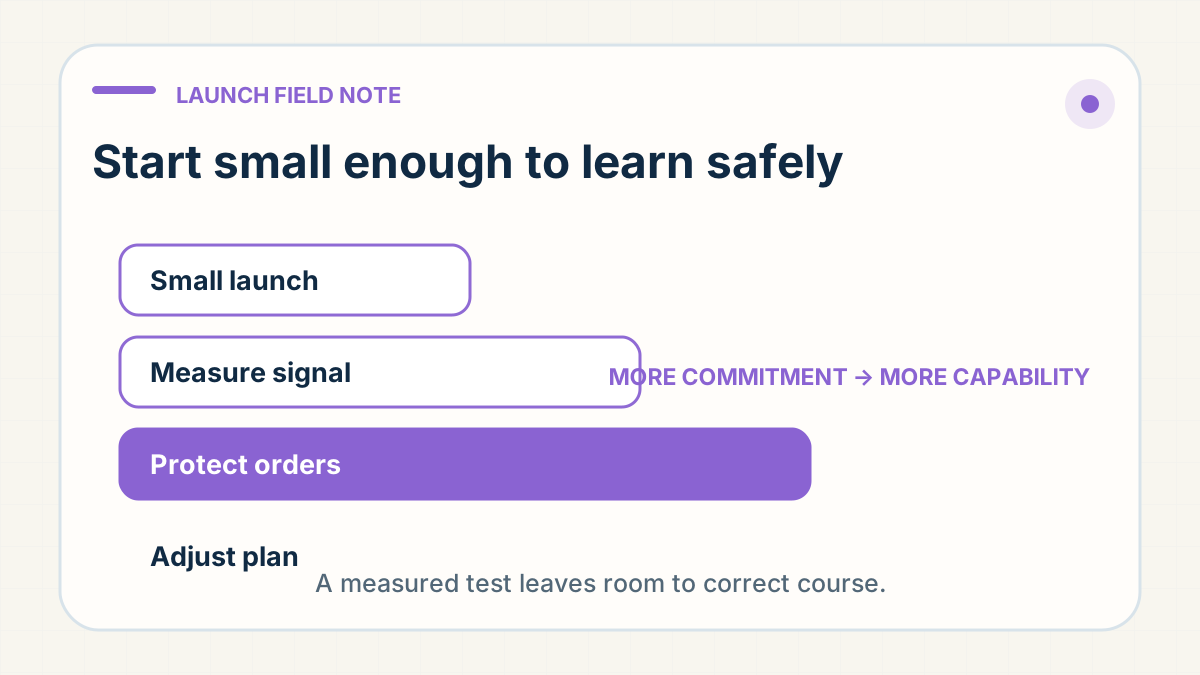
Start with a small, measurable plan and keep enough room to correct course.
Shallow stock kept the next decision reversible
The restock remained deliberately small, the launch stayed contingent on the customer-ready sample and compliance evidence, and the platform incident was handled as an order-status review rather than as a prediction about the whole business. The team protected the live queue first and delayed the larger commitment until the signal was real.