From the operations desk
A long-running eyewear account, one of our larger ones, came to us with a straightforward ask: they'd found factory-direct pricing that beat what we were quoting, and wanted to know if we could get closer to it so they could keep working with us. It's a fair question. It's also one of those moments where the easy answer and the honest answer aren't the same thing.
Why we didn't just match it
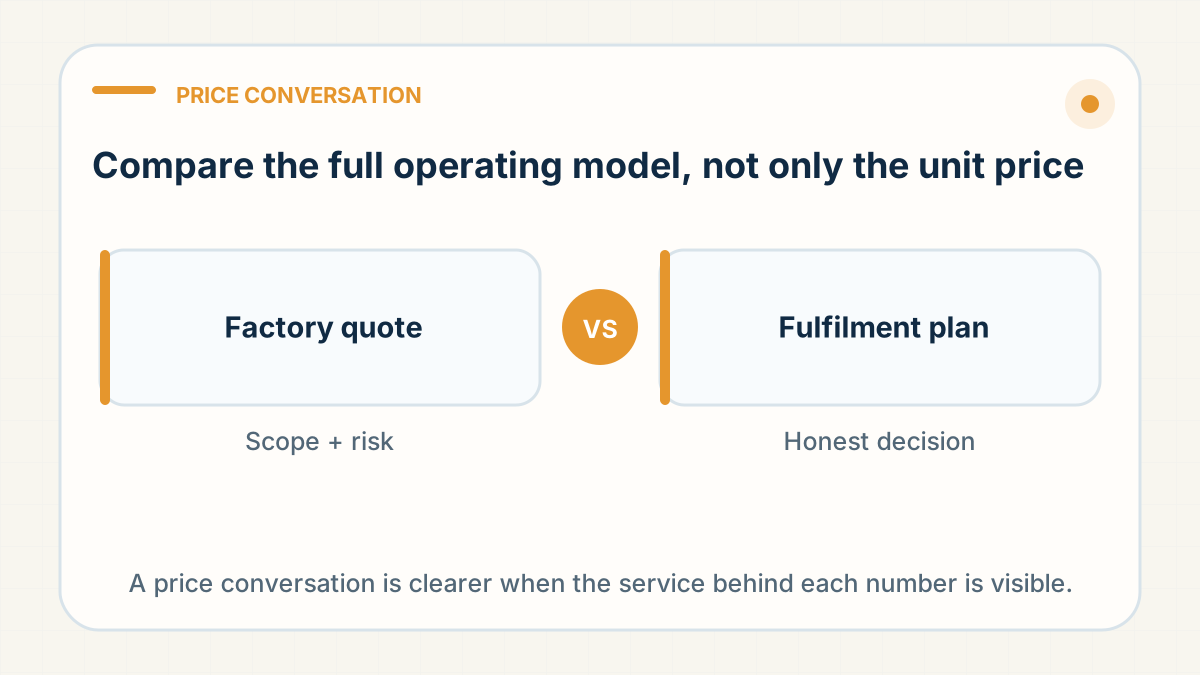
Bulk factory pricing and dropshipping fulfilment pricing aren't the same product wearing different price tags. Sea freight on a large consolidated order is genuinely cheaper per unit than picking, packing, and shipping individual orders as they come in. We also don't only chase the lowest quote from every supplier, we compare samples across multiple factories and choose based on consistency and quality, not just cost, because a client's brand takes the hit if quality drifts, not ours. Matching a bare factory price would have meant either losing money on every order or quietly cutting corners somewhere to make the math work, and neither of those was something we were willing to do.
What we actually told them
That we couldn't match direct factory pricing, plainly, without hedging. That quality varies significantly between suppliers, and that we'd rather help them build a brand worth paying a bit more for than chase the cheapest possible unit cost. And that if the factory-direct option genuinely worked for their volume and risk tolerance, that was a legitimate path, one we wouldn't pretend was worse than it was just to keep the account.
Why we think honesty was the safer move here
Telling a valuable client "we can't compete on this specific number" feels risky in the moment. But quietly matching a price we couldn't sustain, or letting quality slip to make the margin work, would have cost more eventually, in a damaged relationship or a damaged product. We'd rather lose a price comparison honestly than win one by setting up a problem for later.
What actually happened next
The client took it well, better than we expected. They agreed that if the pricing gap was real, it made sense to test it directly, order samples from the cheaper factory and compare quality themselves before deciding anything. That's exactly the outcome we wanted: not us insisting we're always the right choice, but the client having the real information to make their own call.
If you're comparing your current fulfilment costs against a cheaper option and want an honest read on whether the gap is really about price or really about something else, tell us what you're seeing and we'll give you a straight answer, even if it's not the one that keeps you with us.