From the operations desk
Three seller stages shared one weekend queue
The weekend queue mixed three commercial stages. An apparel account was clearing orders that could no longer move as intended, a new seller had reached a first dispatch, and a developing headwear brand was comparing basic marketplace-style options with a more deliberate custom product.
The factory side was quiet, but the decisions were not. Cancellations depended on locating each order before another handoff, the first dispatch needed the same care as a larger account, and the brand conversation needed a higher standard than attaching a logo to the nearest available item.
Each request had a different clock
Leaving blocked orders until Monday would make some cancellations harder or more expensive. Treating the first order as operationally insignificant would ignore the seller's entire current reputation. Accepting a product the brand already considered generic would spend development money without moving the offer toward its intended market position.
Triage reversibility before volume
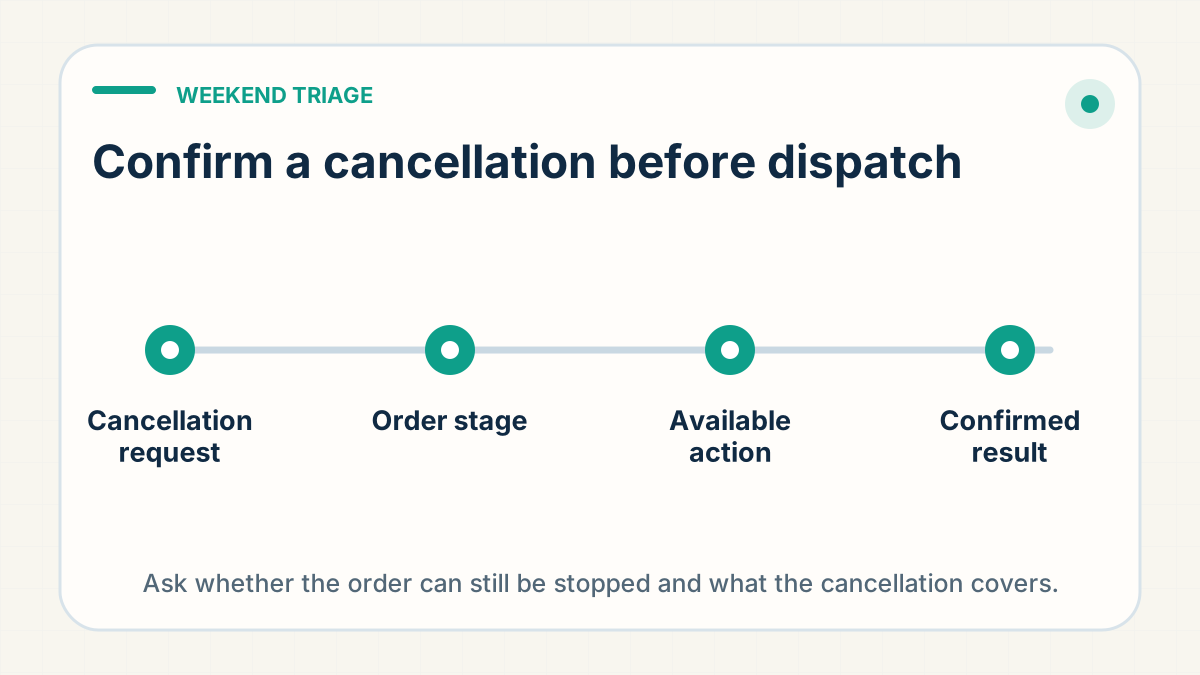
An apparel account worked through a list of blocked orders and cancellation requests over the weekend. Check each order's stage and obtain confirmation of the action completed; a cancellation request is not yet a cancelled shipment.
A new seller's first order was dispatched. A successful first dispatch is a useful workflow check, while later order performance still needs monitoring.
A hat and apparel brand supplied custom-cap cost breakdowns and said the options shown did not meet its intended appearance and construction. Turn that feedback into a specific requirement for shape, material, finish and assembly before approving another sample or production quote.
Progress meant matching the response to the stage
The stuck orders were worked as a finite cancellation list, the first dispatch was allowed to remain an important milestone, and the custom brief became more specific about shape, materials, construction and finish. The day's progress was not volume; it was matching the operating response to three different stages.
For blocked orders, confirm which changes remain possible and which have been completed. For a new custom product, give the supplier the specific appearance and construction requirements before committing to development.